The Chinati Foundation has announced plans to restore the Artillery Sheds in Marfa, Texas, the former military buildings adapted by artist Donald Judd to house his 100 untitled works in mill aluminum, created between 1982 and 1986. Led by architect Troy Schaum of Schaum Architects, the multi-year preservation project is being developed with the Getty Conservation Institute and will address the historic buildings’ envelope, accessibility, environmental performance, and landscape while preserving Judd’s site-specific installation. The project follows the Artillery Sheds’ inclusion in the National Register of Historic Places in 2025 as part of the expanded Donald Judd Historic District.
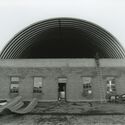
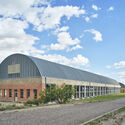
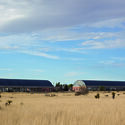
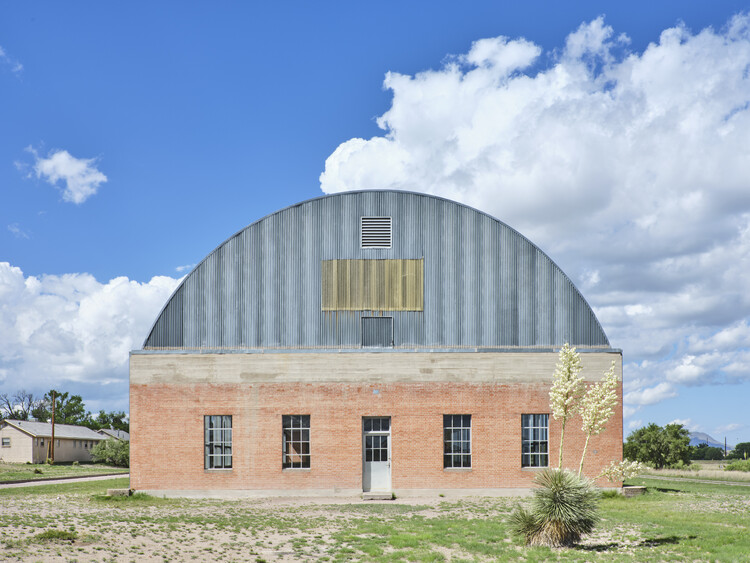
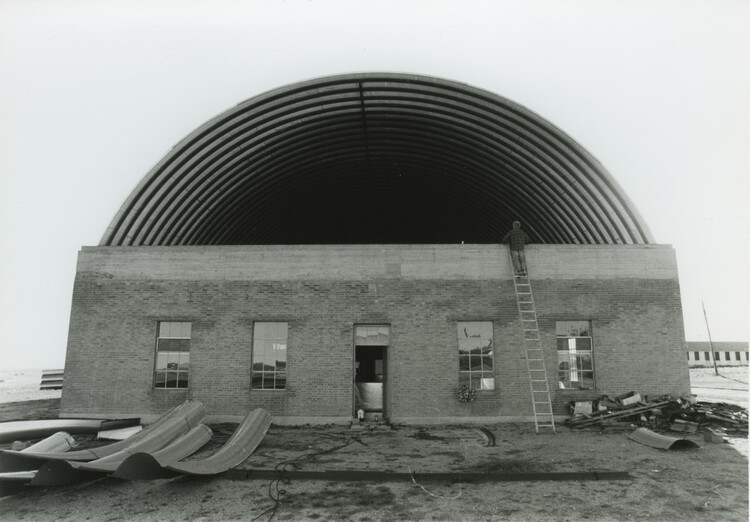
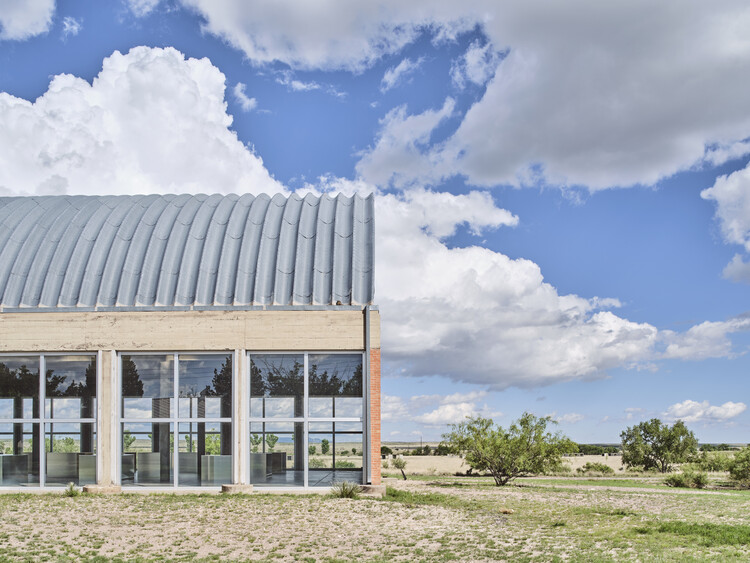
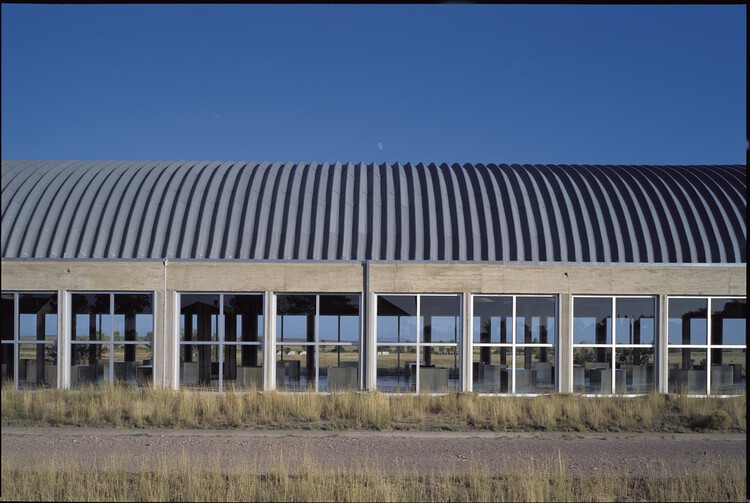
Located on the grounds of the former Fort D.A. Russell at the northeastern edge of the Chihuahuan Desert, the Artillery Sheds were constructed in 1939 by the US Army Corps of Engineers for large-scale mechanical work. Judd began adapting the two structures in 1980, replacing their garage doors with quartered glass windows of his own design and adding curved Quonset hut-style roofs that doubled the buildings’ exterior height. He finalized the placement of the 100 aluminum works in 1986, the year the Chinati Foundation was established.
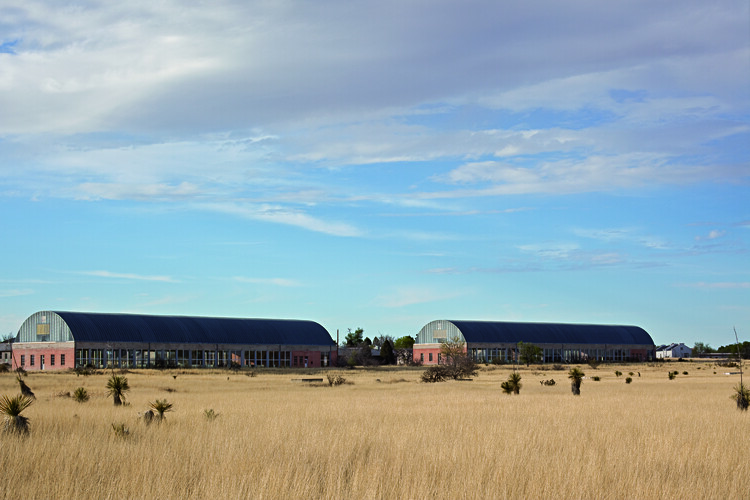
The restoration will repair the roofs, gutters, and facades and introduce more than 10,000 square feet of energy-efficient glass to provide additional protection for the artworks from Marfa’s extreme weather conditions. The project will also improve accessibility through updated paths and access points and introduce rainwater harvesting systems to support native grasses and the surrounding Chihuahuan Desert landscape.
The project team is working to limit interventions that could alter the relationship between Judd’s works and their architectural setting. “The real ingenuity of the restoration is maintaining Donald Judd’s vision and editing around the edges,” said Troy Schaum, describing an approach that incorporates low-energy mechanical systems and other discreet interventions into the existing buildings.
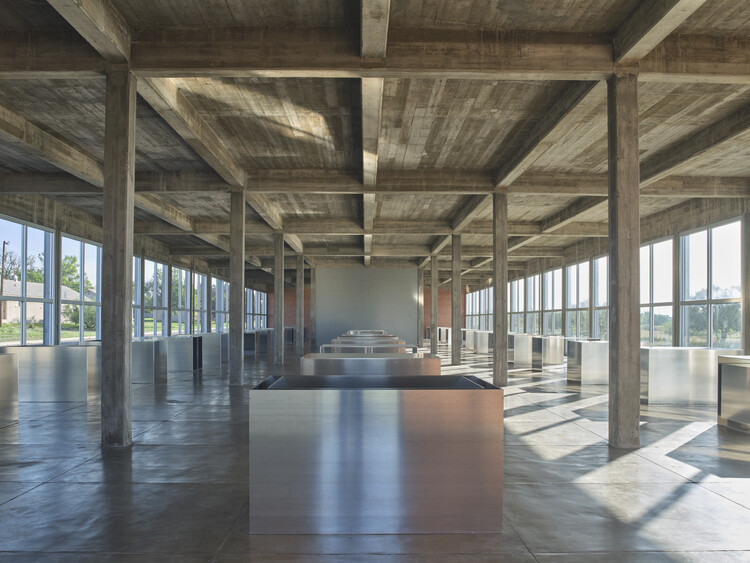
As part of the restoration, Judd’s 100 aluminum works will be moved for the first time since their installation in the 1980s. The works will undergo extensive documentation and material analysis before being reinstalled after construction. Chinati’s conservation team, led by Head of Conservation Bogna Skwara, is working with Alfred Lippincott, co-owner of Lippincott’s LLC and one of the original fabricators of the works, as well as the Getty Conservation Institute.
The restoration forms part of Chinati’s Art as Intended capital campaign, to support collection stewardship, infrastructure improvements, visitor experience, and long-term financial sustainability. The 39th annual Chinati Weekend, taking place October 9–11, 2026, will be among the final opportunities to view the Artillery Sheds and Judd’s installation before construction begins. The buildings will remain closed to visitors throughout the multi-year restoration, while other permanent installations across the Chinati site will continue to be accessible.
In other renovation news, Herzog & de Meuron has been selected to revitalize Tirana’s Palace of Congresses, a 1986 building designed during Albania’s socialist period. In Turin, MVRDV and Balance Architettura have unveiled their proposal to renovate the 1959 Civic Gallery of Modern and Contemporary Art (GAM), introducing flexible exhibition systems and publicly accessible storage while restoring the museum’s connection to the city. Meanwhile, Stefano Boeri Architetti will transform Rome’s former Depositi delle Vittorie transport depot into a mixed-use complex combining cultural, educational, commercial, and leisure spaces with new public areas and landscaping.