매년 10월 13일 재난 위험 감소 국제 기념일(IDDRR)은 지역사회가 위험 요소에 대한 노출과 취약성을 어떻게 줄일 수 있는지에 주목합니다. 1989년 유엔이 제정한 이 기념일은 재난이 발생하기 전에 정부, 지역사회, 전문가가 준비성과 회복력을 강화하는 방법을 모색할 기회를 제공합니다. 2026년판에서 재난 위험 감소를 위한 유엔 재난 위험 감소 사무국(UNDRR)은 주제를 “주거에서 시작되는 회복력”으로 선정했으며, 올해의 캠페인에서 주거를 중심에 두고 있습니다.
주거는 재난 영향이 직접적으로 체감되는 주요 공간이자 회복력을 구축하는 출발점으로서의 역할을 한다는 점을 주목합니다. 주거의 위치, 설계, 시공, 자금조달 및 유지 관리 여부가 위험을 줄이거나 오히려 증가시킬 수 있으며, 위험 지역의 부적절한 건축 기준과 개발은 지진, 홍수, 극심한 폭염 등 재난의 여파를 키울 수 있습니다. 이 캠페인은 위험 정보를 반영한 토지이용 계획, 회복력 있는 건축법규, 접근 가능한 조기 경보 체계, 포용적 설계, 안전하고 저렴한 주거에 대한 더 큰 투자 필요성을 촉구하는 반면, 지역사회, 개발업자, 건설업체, 금융기관, 가계의 역할도 강조합니다.
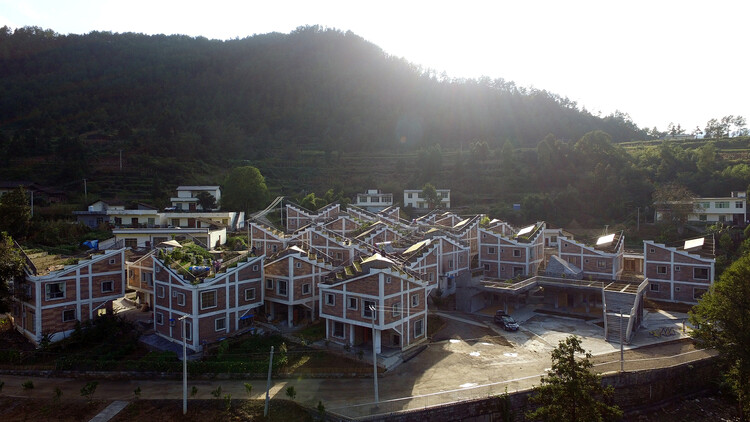
The focus comes amid another year of disasters affecting homes, infrastructure, and settlements around the world. In June, two major earthquakes struck northern Venezuela within seconds of one another, while four significant earthquakes occurred across Japan, Northern California, and Venezuela within a 36-hour period. In August, a magnitude 7.4 earthquake in Colombia damaged housing, healthcare and educational facilities, infrastructure, and historic architecture, while a glacier collapse in the Himalayas triggered flash floods that destroyed villages along the Nepal-Tibet border. These events highlight how the consequences of natural hazards are shaped not only by their intensity, but also by the resilience of the built environment and the preparedness of the communities living within it.
Designing Homes for Climate and Disaster Resilience
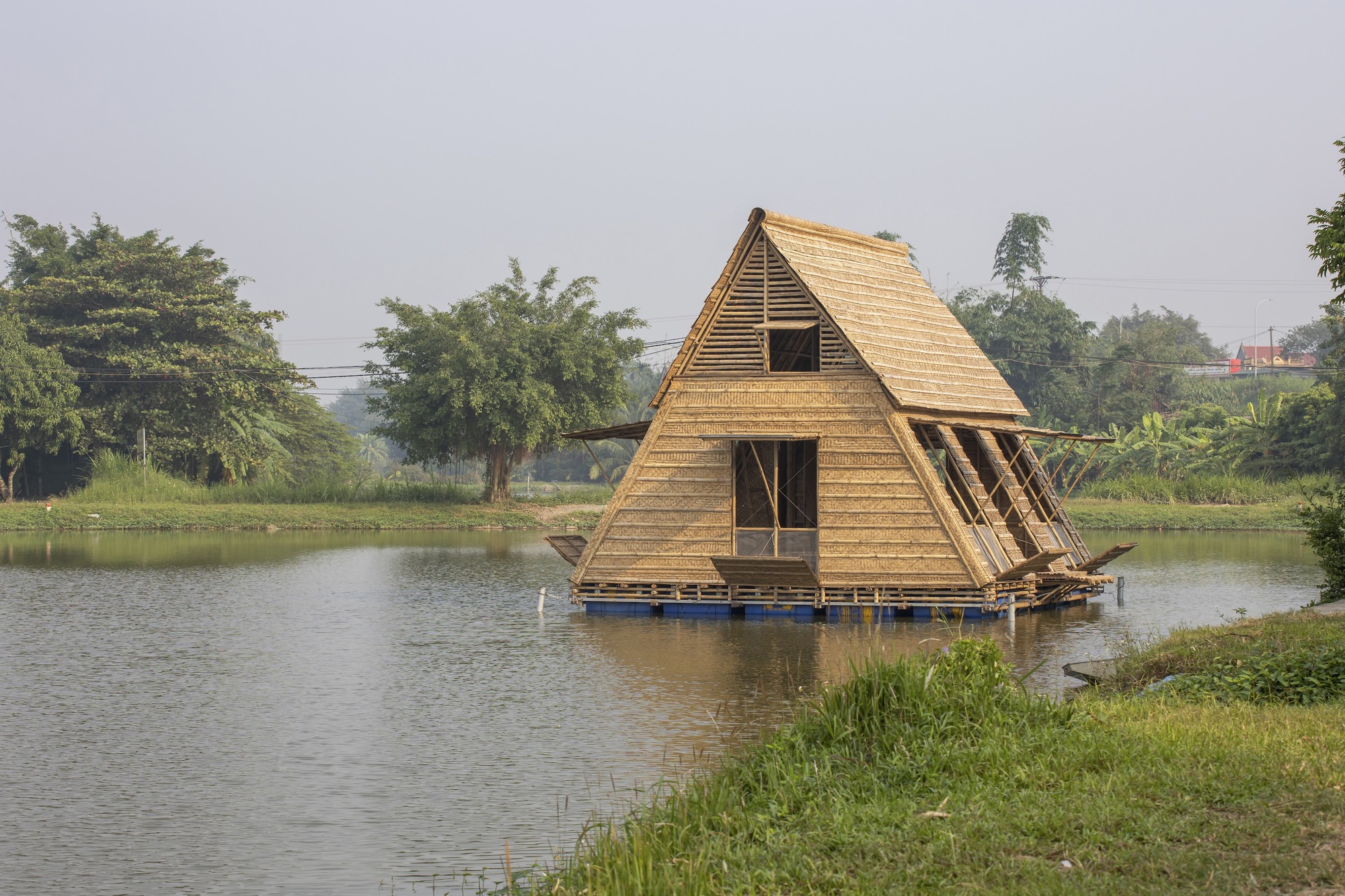
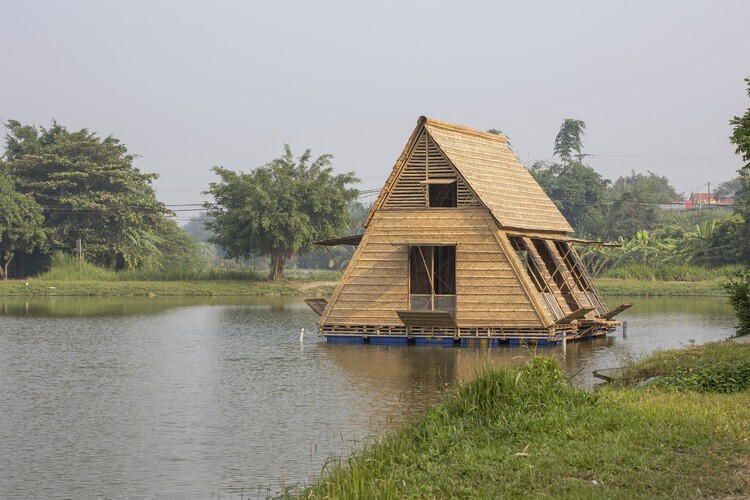
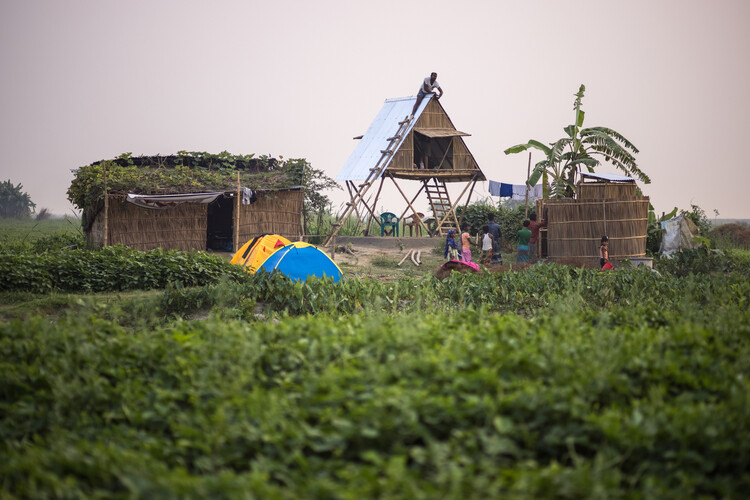
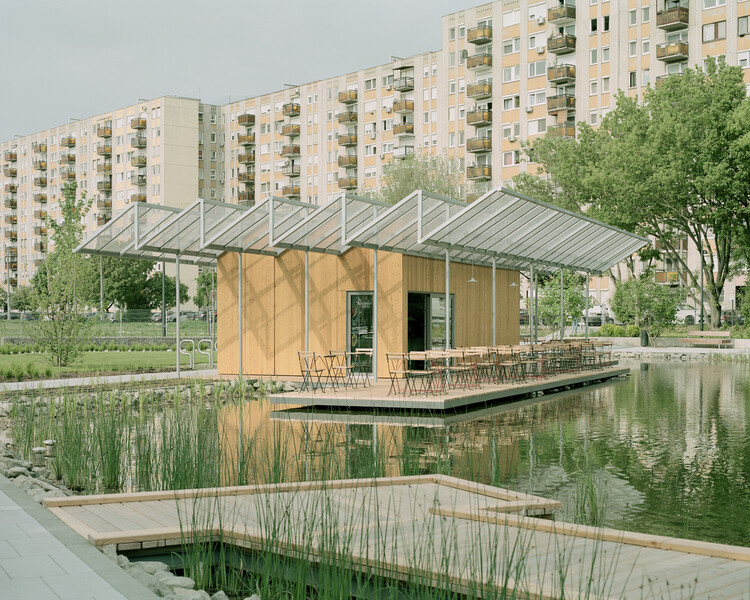
가정 차원의 회복력은 점차 예외적 상황이 아닌 재발 가능 환경 조건을 위한 설계로 확장되고 있습니다. 고지대에 위치한 구조물이나 수상 양식의 구조물은 계절적 홍수에 대응할 수 있고, 견고한 외피, 수동 냉각, 내화 재료, 보호된 개구부, 적응 가능한 에너지 시스템은 극심한 더위, 폭풍, 산불, 정전 및 기타 교란에도 가정이 견딜 수 있도록 돕습니다. 이러한 접근은 손상된 건물을 수리하거나 교체하는 데 집중하기보다, 현장 위치, 구조, 재료 및 일상 공간에 대한 결정으로 위험을 예측하고 대비하는 방향으로 초점을 옮깁니다.
Building Light in a Flood Zone: Architecture for Seasonal Inundation
Designing for Disaster in an Increasingly Dangerous World
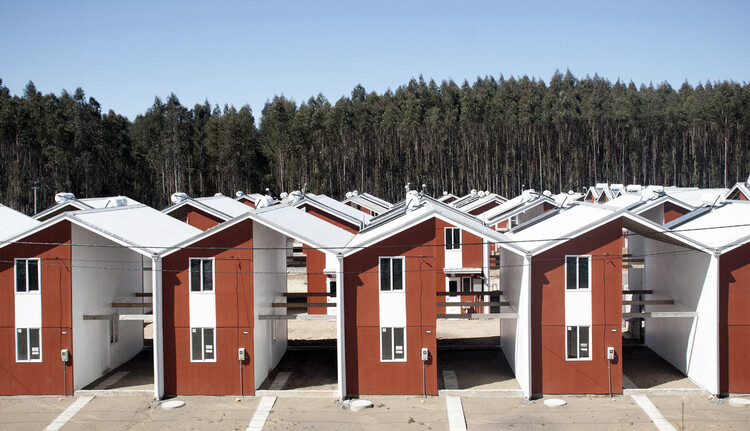
How Can Cities Create Resilience in the Face of Natural Disasters
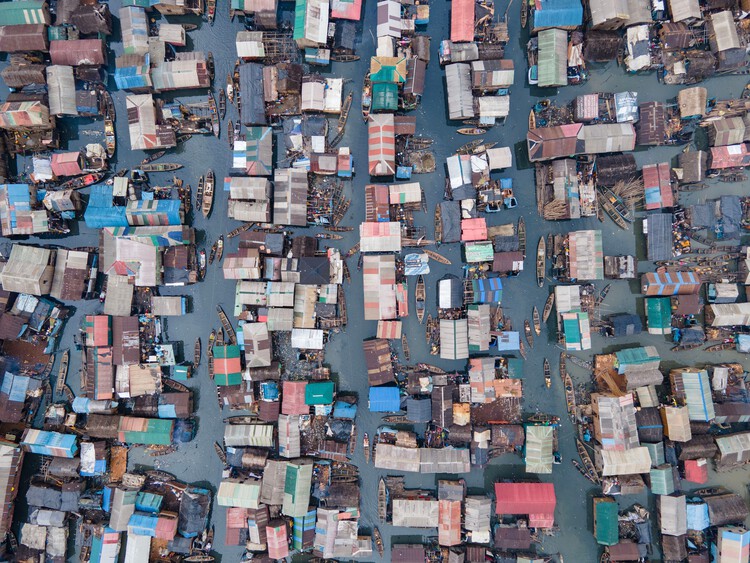
When the Water Comes: How Lagos Negotiates with Its Returning Floods
Post-Disaster Reconstruction and Emergency Architecture
L’architecture d’urgence comprend une gamme de réponses face au déplacement et à la destruction, allant des abris rapidement déployables à des stratégies de reconstruction destinées à soutenir une récupération à plus long terme. Les systèmes modulaires et préfabriqués peuvent accélérer la construction lorsque le temps, la main-d’œuvre et les ressources sont limités, tandis que les techniques vernaculaires et les matériaux locaux disponibles peuvent rendre la reconstruction plus adaptée au climat, à la culture et au savoir-faire de construction existant. Des matériaux légers et recyclables ont également été explorés comme alternatives pour les structures temporaires, soulevant des questions plus vastes autour de la dignité, de l’adaptabilité, du coût, du transport et de la transition entre l’hébergement d’urgence et le logement permanent.
Beyond Emergency Shelters: Modular and Vernacular Architecture in Post-Earthquake Reconstruction
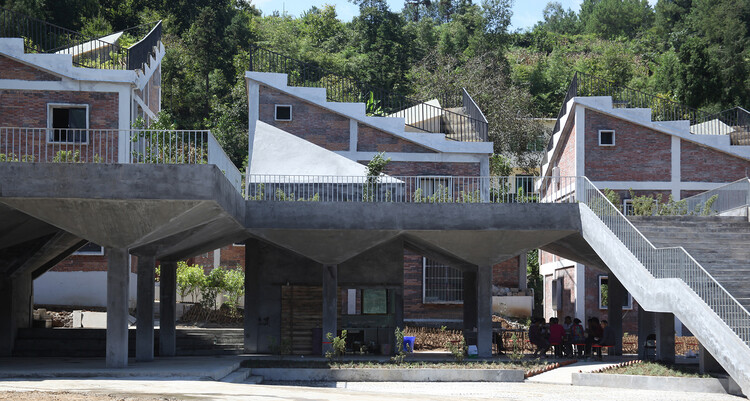
How Community Participation Can Assist in Architectural and Urban Post-Disaster Reconstruction
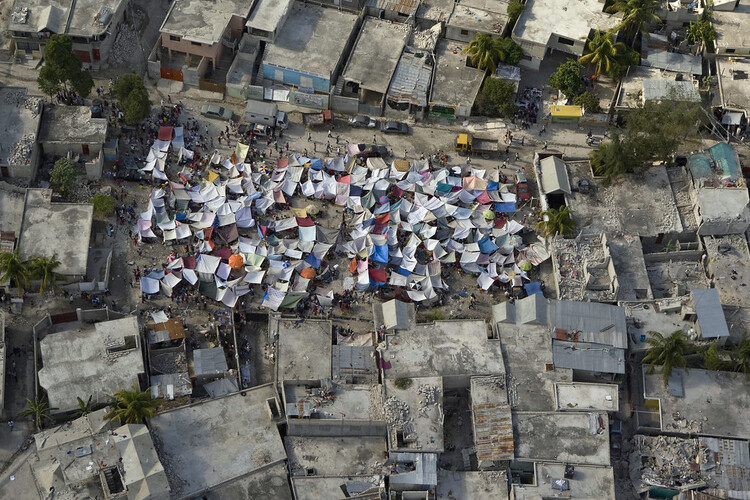
10 Inspiring Examples of Post-Disaster Architecture
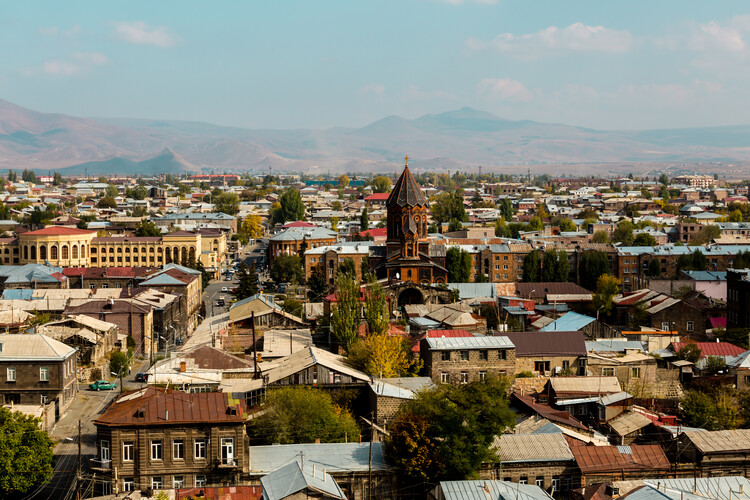
Gyumri’s Revival: Rebuilding Armenia’s Cultural Heritage After the 1988 Earthquake
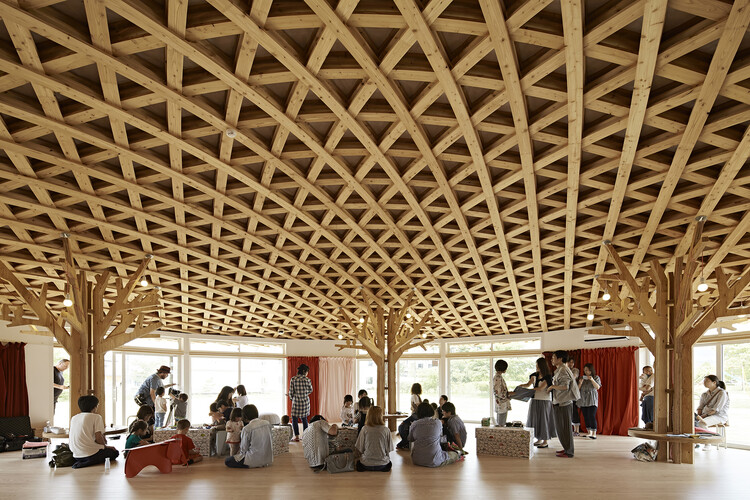
The Role of Biomimicry in Disaster-Resilient Architecture
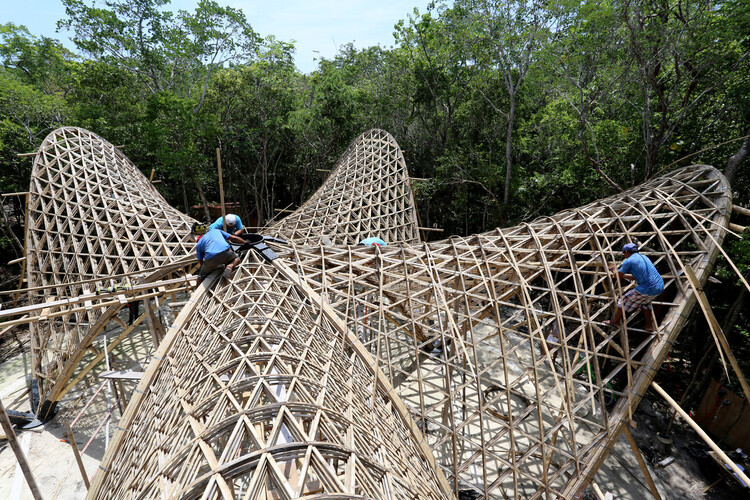
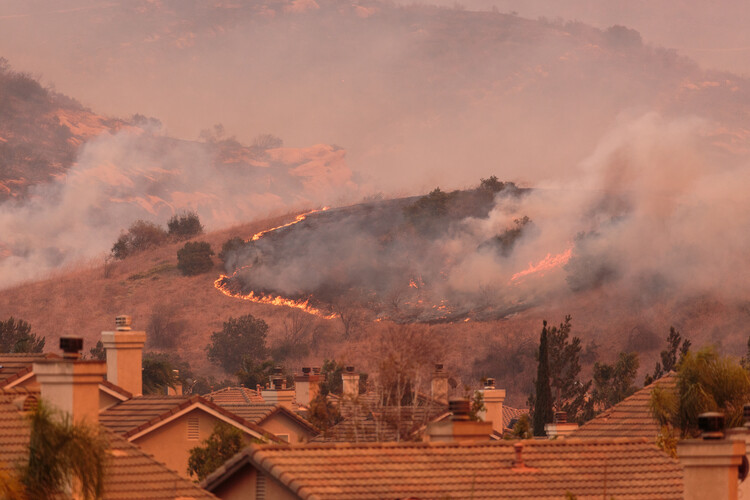
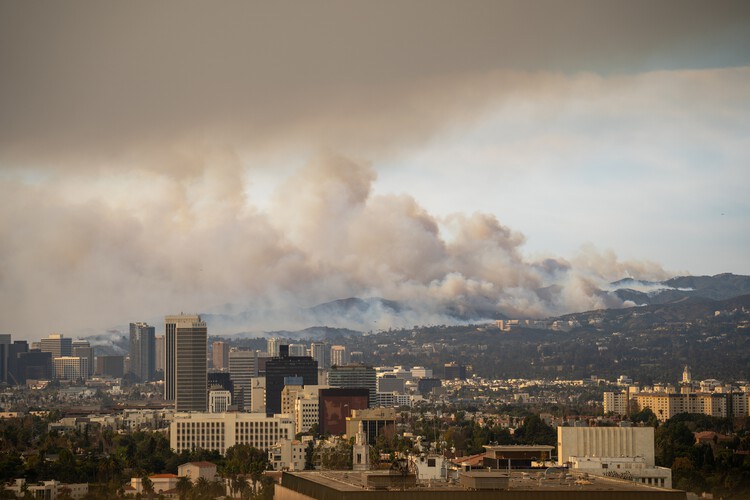
The Impact of Wildfires on Building Codes: Reflections on the Recent Los Angeles Fires
Resilient Materials, Infrastructure, and Urban Adaptation
Au-delà des bâtiments individuels, la résilience face aux catastrophes est façonnée par les matériaux, les paysages, les infrastructures et les espaces publics qui relient les habitations à leur environnement élargi. Des matériaux résistants au feu et auto-réparateurs, des surfaces perméables, des toitures vertes, des systèmes de rétention d’eau, des stratégies de refroidissement passif et d’autres formes d’infrastructure verte et bleue peuvent aider les villes à gérer la chaleur, les inondations, les incendies et d’autres pressions environnementales. Parallèlement, la distribution inégale de ces mesures soulève des questions d’accès et d’inégalité, soulignant la nécessité de considérer la résilience non seulement comme un enjeu technique mais aussi comme une question de qui est protégé, où les investissements sont dirigés, et comment les systèmes urbains peuvent s’adapter au fil du temps.
Construction Materials that Increase Resilience to Natural Disasters
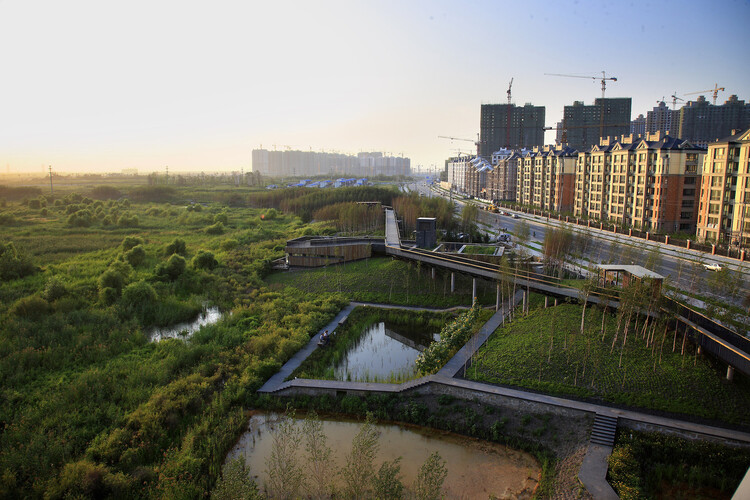
The Temperature of Inequality: Rethinking Urban Surfaces for a Changing Climate
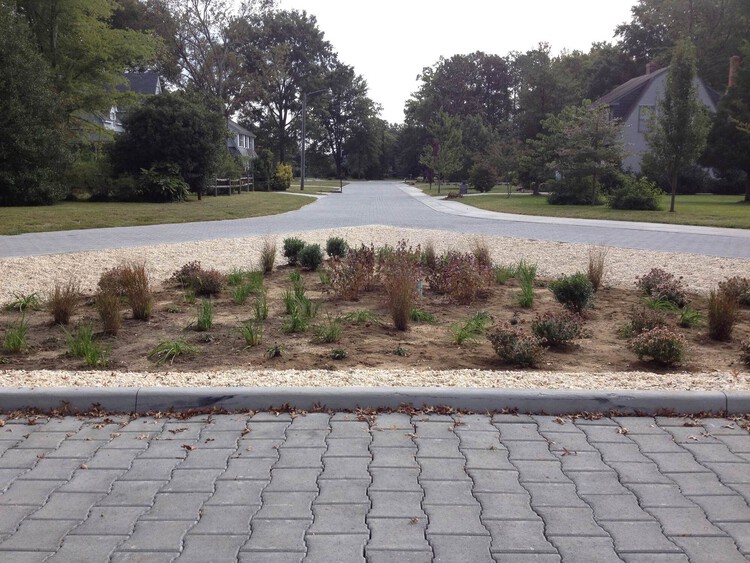
What is Blue Infrastructure? Rethinking Water’s Role in City Design
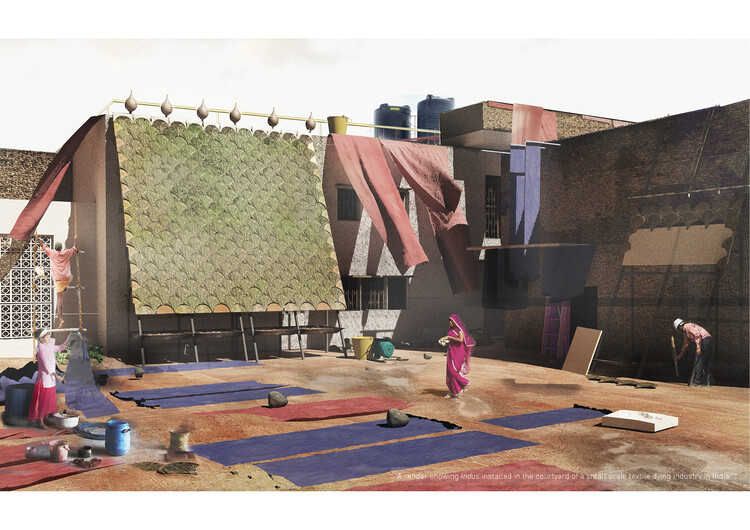
Crafts against Climate Change: Eco-materials from India