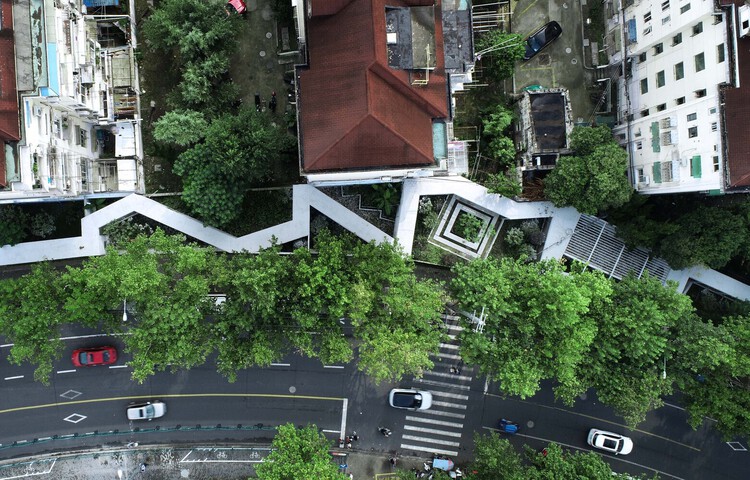
On October 31, World Cities Day 2026 will be observed under the theme “Regenerating the City: Adequate Housing for All.” Hosted in Fuzhou, China, this year’s global observance focuses on how urban regeneration can advance access to adequate housing by improving existing neighborhoods, infrastructure, and public spaces. According to the United Nations, up to 3.4 billion people worldwide lack access to adequate housing, secure tenure, basic services, or affordable living conditions. This challenge points to the need for approaches that consider housing alongside the wider conditions of urban life, including environmental resilience, connectivity, and access to essential services.
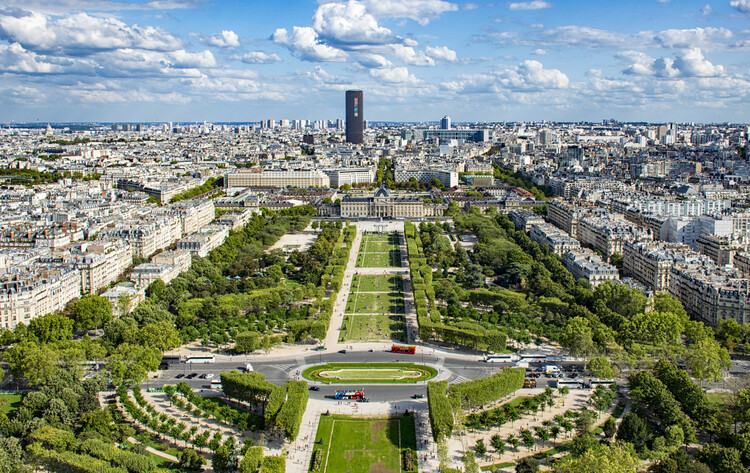
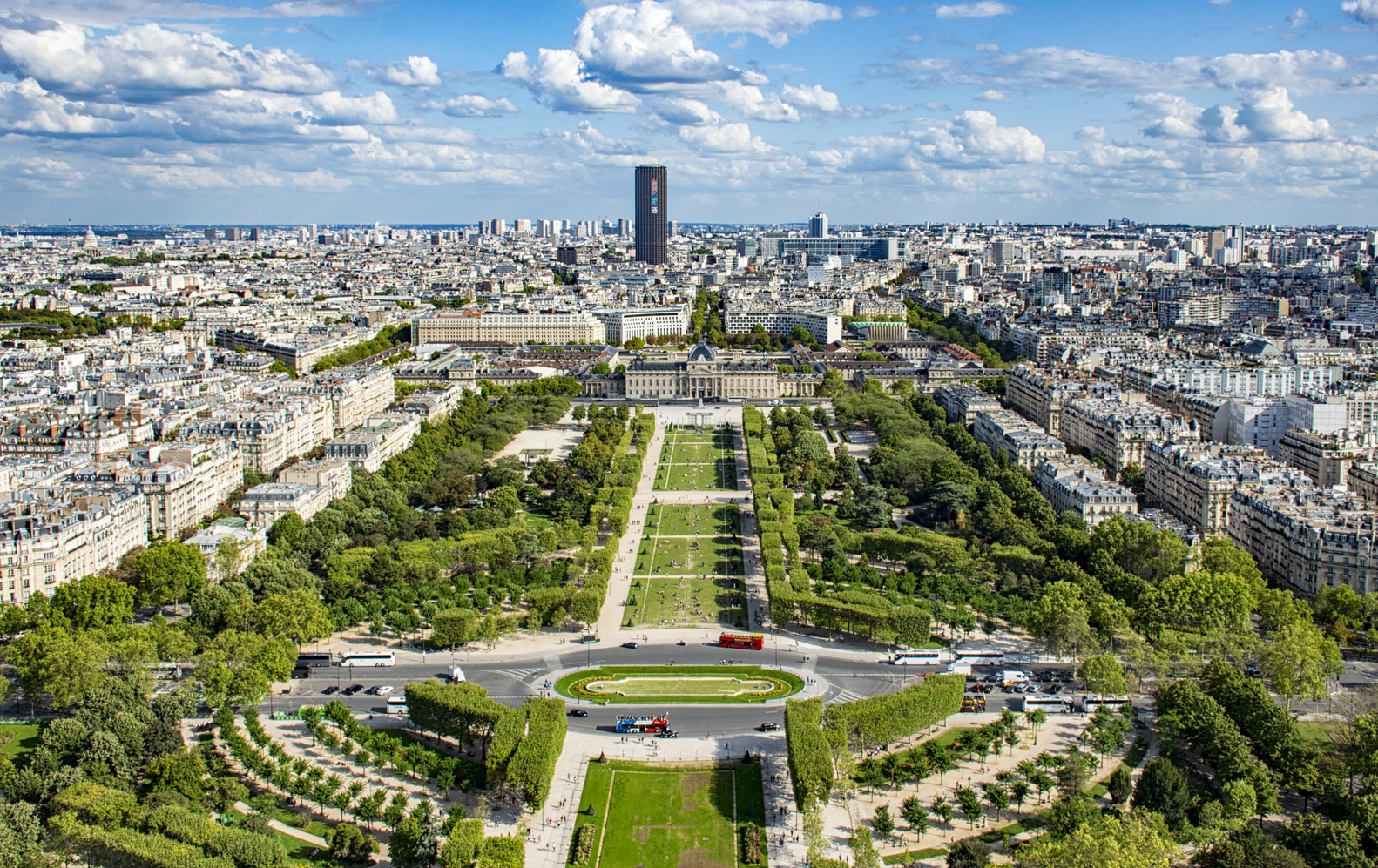
Cities are shaped by the relationship between people, their homes, and the environments they share. Housing developments influence the density and character of neighborhoods, transportation networks determine access to jobs and services, and public spaces provide places for recreation and social interaction. These urban systems are also increasingly exposed to environmental pressures, from extreme heat and flooding to storms and other natural hazards. As cities continue to grow and change, providing adequate housing is closely connected to how urban settlements adapt to these challenges while supporting the communities that live in them.
도시들은 사람들, 그들의 주거지, 그리고 함께 공유하는 환경 사이의 관계에 의해 형성됩니다. 주거 개발은 이웃의 밀도와 성격에 영향을 미치고, 교통망은 일자리와 서비스에 대한 접근을 결정하며, 공공 공간은 여가와 사회적 상호작용의 장소를 제공합니다. 이러한 도시 시스템은 극심한 더위, 침수, 폭풍 및 기타 자연 재해 등 환경 압력에 점점 더 노출되고 있습니다. 도시가 계속해서 성장하고 변화함에 따라, 충분한 주거를 제공하는 일은 이러한 도전에 도시 정착지가 어떻게 적응하는지와 밀접하게 연결되며, 이를 통해 거주 커뮤니티를 지지하게 됩니다.
For World Cities Day, we look at these interconnected aspects of urban life through four themes: housing, public space, mobility, and neighborhood livability, bringing together stories that examine the challenges and possibilities shaping cities today.
세계 도시의 날을 맞아, 우리는 도시 생활의 이러한 상호 연결된 측면들을 네 가지 주제로 살펴봅니다: 주거, 공공 공간, 이동성, 그리고 이웃의 살기 좋은 조건. 오늘날 도시를 형성하는 도전과 가능성을 다루는 이야기를 하나로 모아 제시합니다.
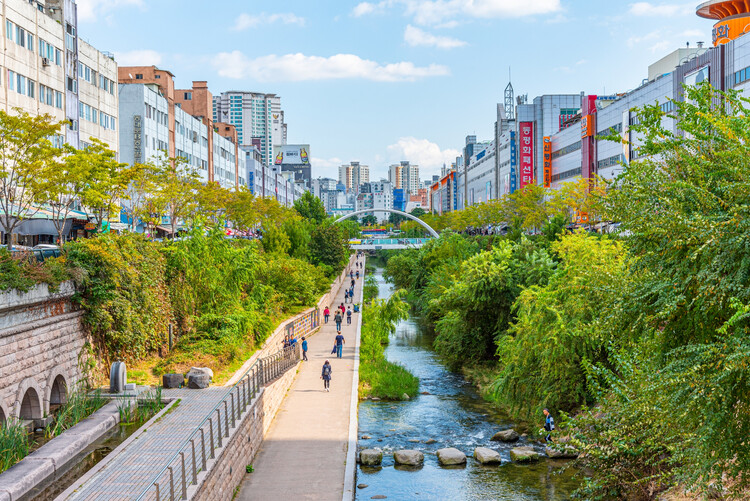
Housing, Displacement, and Climate Resilience
Adequate housing is about more than having a roof over one’s head. Its location, construction, affordability, access to services, and ability to withstand environmental risks all influence the security it provides. As floods, storms, and extreme heat increasingly affect urban settlements, housing strategies must consider how buildings and communities can adapt to changing conditions. For people displaced by environmental pressures, conflict, or economic instability, finding a new home also involves rebuilding access to livelihoods, services, and social networks. These challenges call for approaches that connect housing design with land use, infrastructure, and community participation.
적절한 주거는 머리 위에 지붕이 있는 것 이상입니다. 주거의 위치, 건축, 비용 적정성, 서비스 접근성, 그리고 환경 리스크를 견딜 수 있는 능력은 모두 그것이 제공하는 안전성을 좌우합니다. 홍수, 폭풍, 극심한 더위가 도시 거주지에 점점 더 영향을 미치면서, 주거 전략은 건물과 커뮤니티가 변화하는 조건에 어떻게 적응할 수 있을지 고려해야 합니다. 환경 압력, 분쟁, 경제적 불안정으로 이주한 사람들에게도 새 거주지를 찾는 것은 생계, 서비스, 사회적 네트워크에 대한 접근성을 재건하는 것을 포함합니다. 이러한 도전은 주거 설계와 토지 이용, 인프라, 지역 사회 참여를 연결하는 접근을 필요로 합니다.
이주에 대응: 라틴아메리카 전역의 건축 전략
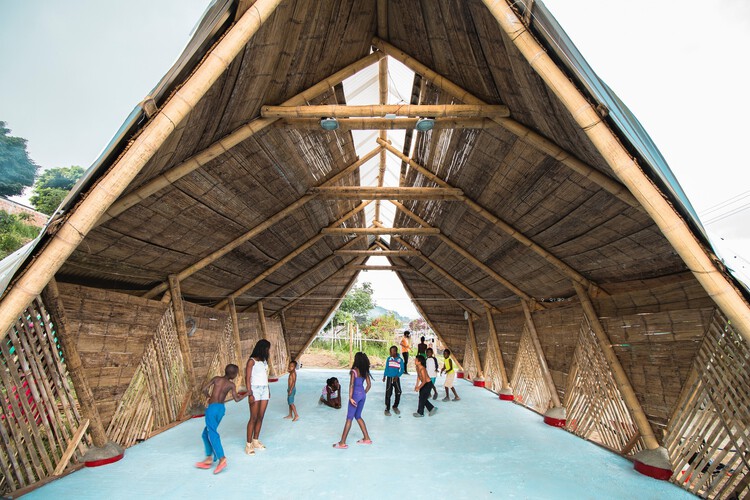
“If You Build Ugly Social Housing, You Will Create Social Problems”: An Interview with the OBEL Award 2026 Recipients
Can Public Housing Actually Be Sustainable and Beautiful? | Balearic Social Housing Model
UN-Habitat Recognizes Five Approaches to Adequate Housing With 2026 Scroll of Honour
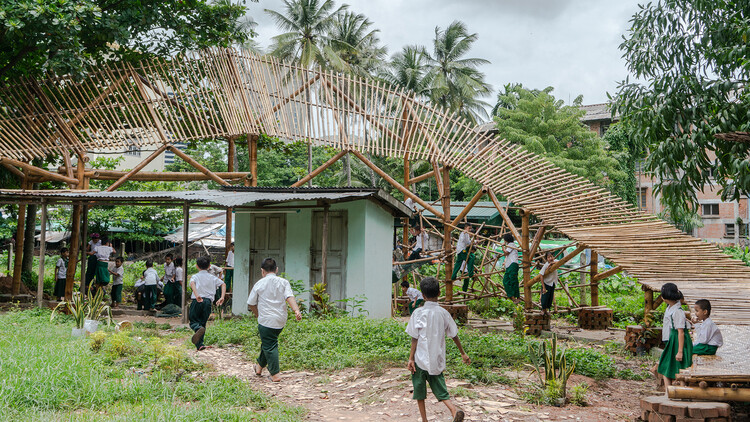
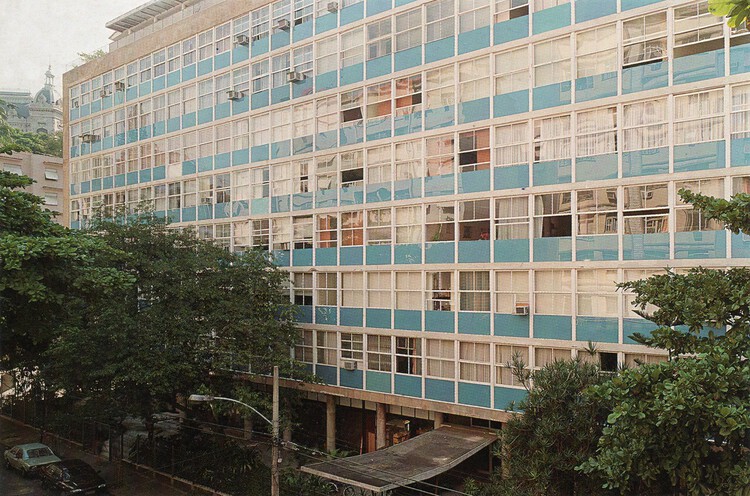
Designing for Density: How Modernist Principles Continue to Shape Social Housing Solutions Today
On Housing, Public Space, and Climate Resilience: In Conversation with the Winners of the 2026 UIA 2030 Award
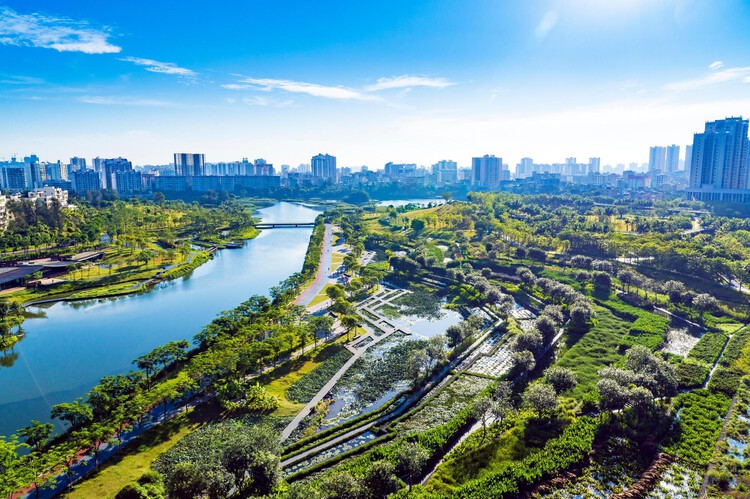
Urban Landscapes as Infrastructure: Public Space, Water, and Climate Adaptation
Parks, waterfronts, gardens, and open spaces are often understood as amenities that improve the appearance and recreational value of cities. Their role, however, extends into the functioning of urban environments. Landscapes can help absorb rainwater, reduce surface temperatures, support biodiversity, and provide relief during periods of extreme heat. In areas exposed to flooding, the integration of water management into public space and landscape planning can also help reduce pressure on conventional drainage infrastructure. These functions become particularly important as cities expand and natural systems are increasingly affected by urban development.
공원, 해변가, 정원, 그리고 열린 공간은 도시의 외관과 레크리에이션 가치를 높이는 편의시설로 흔히 인식됩니다. 그러나 그 역할은 도시 환경의 기능에도 깊이 관여합니다. 경관은 빗물을 흡수하고, 표면 온도를 낮추며, 생물다양성을 지지하고, 폭염 기간에 완화를 제공합니다. 홍수에 취약한 지역에서 공공 공간과 경관 계획에 수자원 관리가 통합되면 전통적 배수 인프라에 가해지는 부담을 줄일 수 있습니다. 이러한 기능은 도시가 확장하고 자연 시스템이 도시 개발의 영향 아래 더욱 크게 변할수록 더욱 중요해집니다.
로베르토 부를레 마르크스의 교훈: 회복력 있고 진화하는 도시 경관 디자인
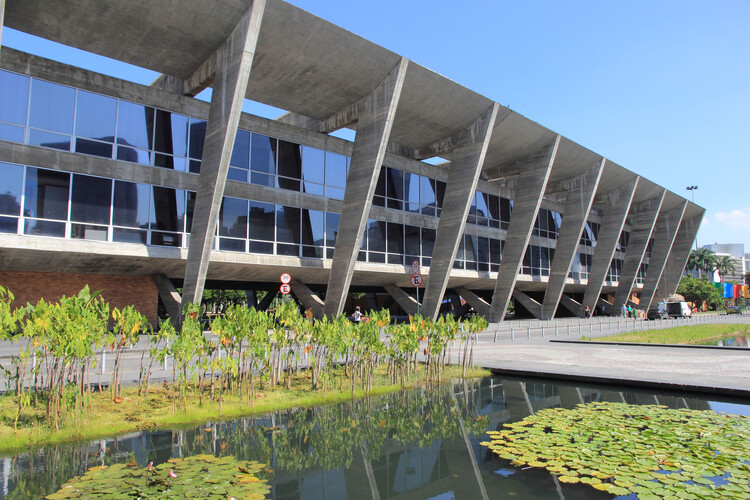
도시 경관을 생존의 예술로: 스펀지 시티 개념의 옹호자 유 콩지안과의 인터뷰
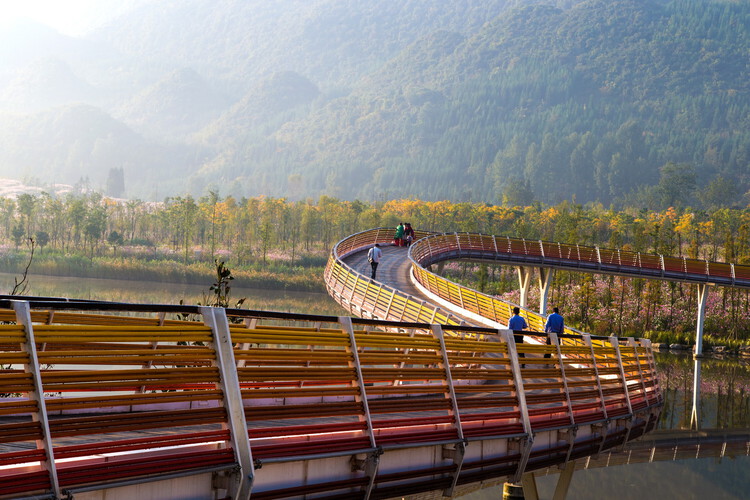
Who Owns Public Space? Three Active Models of Shared Management Shaping Urban Commons in Europe and New York
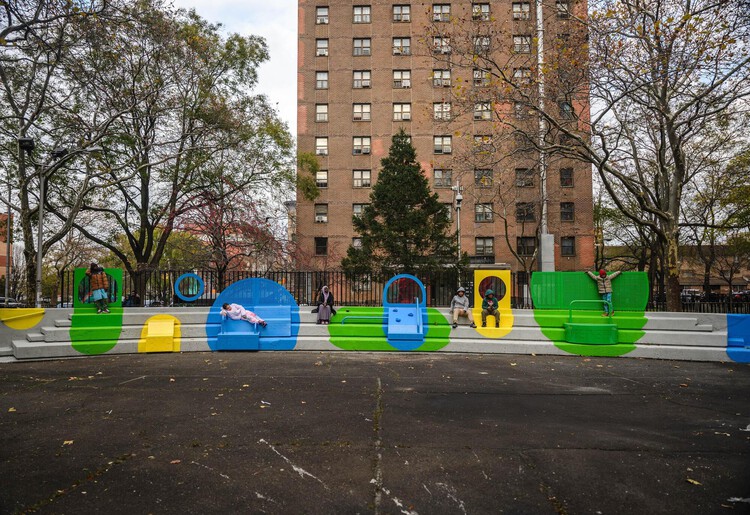
공공 공간의 소유는 누구의 것인가? 유럽과 뉴욕에서 도시 공유자원을 형성하는 세 가지 능동적 관리 모델
Elevated Infrastructure and Public Space: Reclaiming the Ground Below
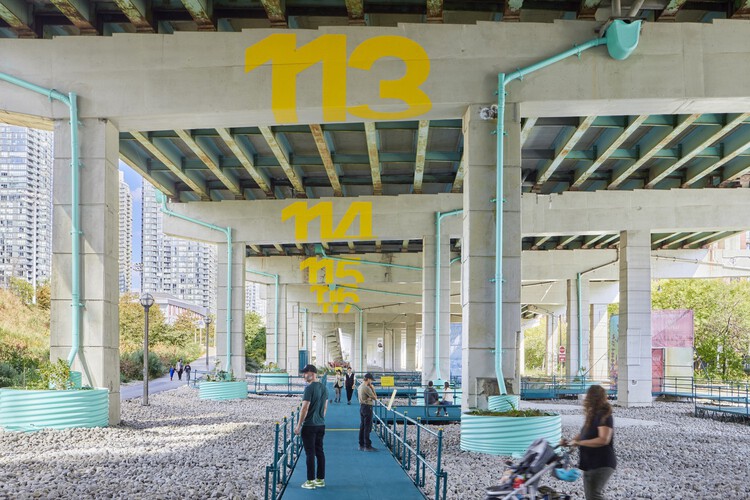
남은 땅에서 시민 공간으로: 멕시코의 6개 공원
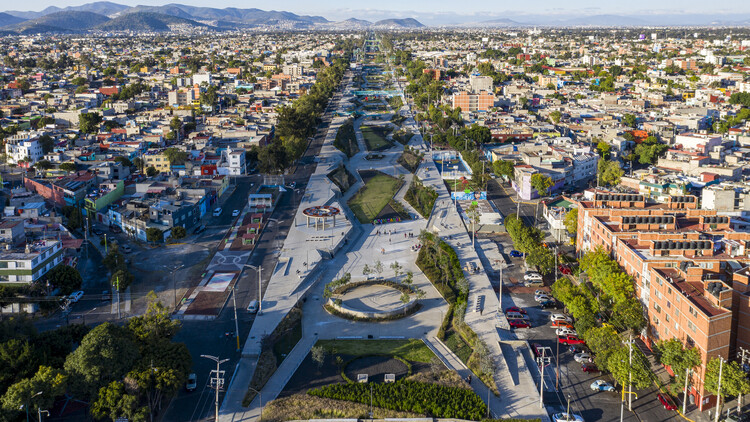
Moving Through the City: Mobility, Transportation, and Connectivity
How people move through a city directly influences their access to housing, employment, education, healthcare, and public space. Transportation networks connect neighborhoods, but the way streets and infrastructure are planned can also create barriers, particularly for people who rely on walking, cycling, or public transportation. In many cities, car-oriented development has contributed to fragmented urban environments, unsafe streets, and unequal access to essential services. Rethinking mobility involves more than introducing new transportation technologies or expanding road networks. It also requires considering how different modes of travel work together, how infrastructure serves people with different needs, and how connections between urban and rural areas can be improved.
사람들이 도시를 이동하는 방식은 주거, 고용, 교육, 의료, 공공 공간에 대한 접근성에 직접적인 영향을 미칩니다. 교통망은 이웃을 연결하지만, 거리와 인프라의 설계 방식은 보행자나 자전거 이용자, 대중교통 이용자에게 특히 더 큰 제약을 만들 수도 있습니다. 많은 도시에서 자동차 중심의 개발은 도시 환경을 조각난 형태로 만들고, 안전하지 않은 도로와 필수 서비스에 대한 불평등 한 접근을 초래했습니다. 이동성을 재고하는 것은 새로운 교통 기술을 도입하거나 도로망을 확장하는 것 이상의 의미를 담고 있습니다. 다양한 이동 수단이 함께 작동하는 방식, 여러 필요를 가진 사람들을 위한 인프라의 설계, 도시와 농촌 간 연결성을 개선하는 방법을 함께 고려해야 합니다.
Mobility Justice: Urban Equity in an Era of Innovation
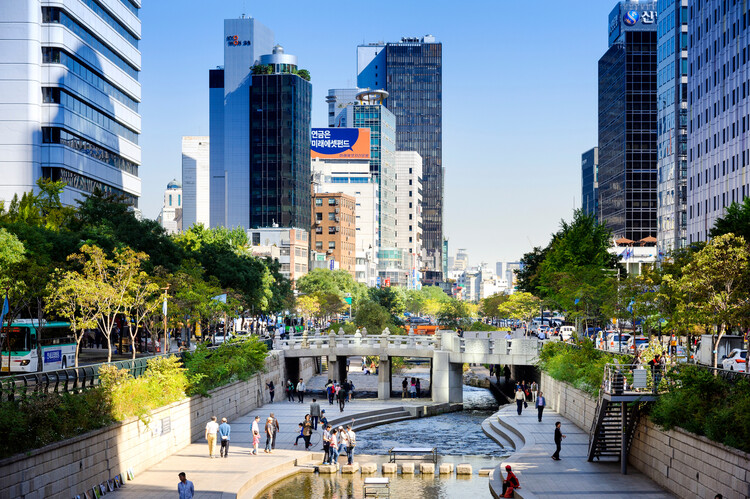
이동의 정의: 혁신 시기에 도시 형평성
이동성에 대한 정의로운 접근은 신기술의 적용을 넘어, 모든 사람이 안전하고 접근 가능한 이동 수단을 이용할 수 있도록 하는 것을 의미합니다. 이는 교통 정책이 다양한 연령, 신체적 능력, 소득 수준, 거주지 위치에 따라 차별 없이 작동하도록 하는 것을 포함합니다.
Beyond the Street: Climate, Commerce, and the Evolution of Hong Kong’s Elevated Networks
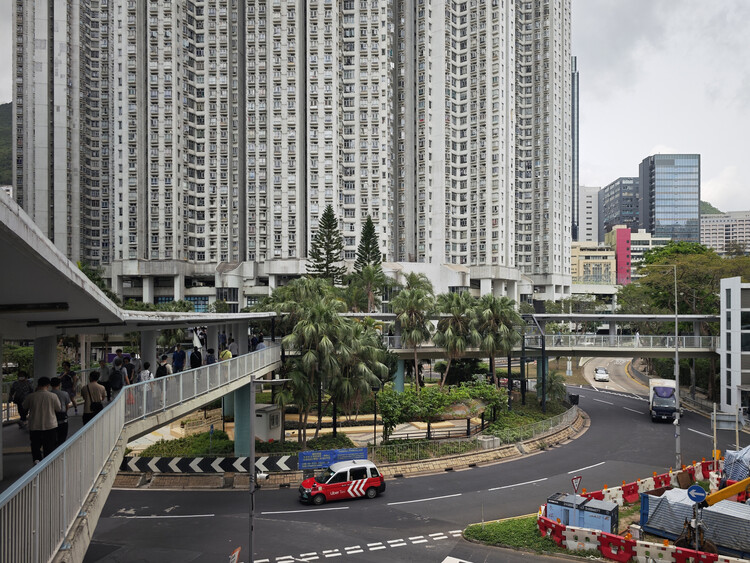
거리 너머의 교통: 기후, 상업, 홍콩의 고가 네트워크 진화
홍콩의 고가 네트워크와 상부 공간은 도시의 진화에 중요한 역할을 해 왔습니다. 이는 단순한 운송 인프라를 넘어서, 기후 변화에 대한 적응과 도시의 상업 네트워크를 지탱하는 기반이 되기도 합니다. 이러한 상승 구조물은 도시의 그늘과 연결성을 확장하고, 때때로 지역사회 간의 상호작용을 촉진하기도 하지만, 동시에 도시의 저밀도 지역과의 간극을 남길 수 있습니다. 따라서 고가 네트워크의 설계와 운영은 기후 회복력과 사회적 포용을 모두 고려해야 합니다.
농촌 교통 허브: 인프라 설계, 접근성, 지역 모빌리티
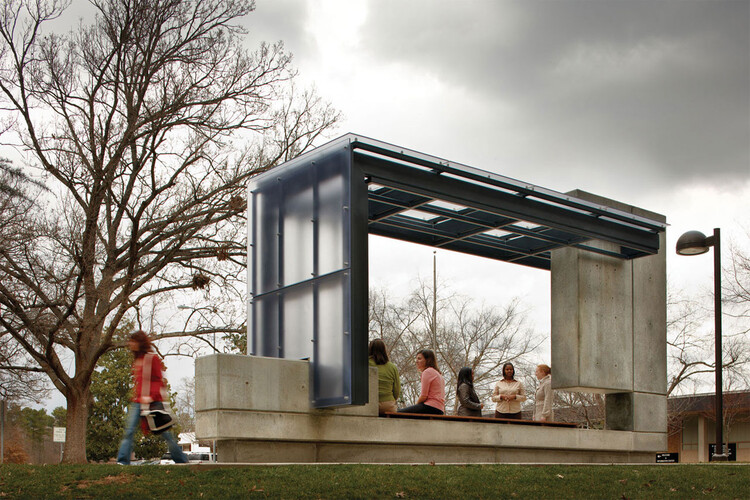
농촌 교통 허브: 인프라 설계, 접근성, 지역 모빌리티
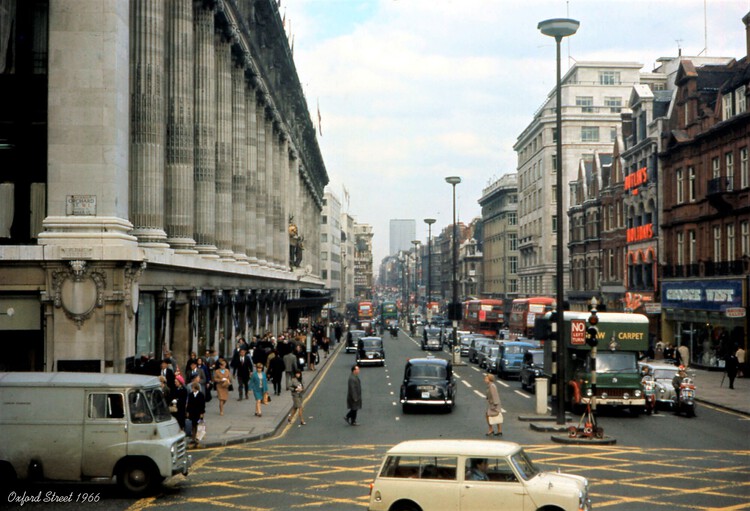
What Makes a Neighborhood Livable? Health, Green Space, and Community
While citywide strategies establish the conditions for urban development, the experience of living in a city often comes down to the neighborhood scale. Access to parks, healthcare, schools, local services, and safe streets influences how people experience their surroundings and participate in everyday urban life. These qualities are not distributed evenly, and broad indicators or international rankings can sometimes obscure differences between neighborhoods and the needs of their residents. Understanding livability therefore requires looking beyond economic performance or the quantity of green space to consider how people use their environments, interact with one another, and take part in decisions that affect their communities.
도시 전체에 대한 전략이 도시 발전의 조건을 제시하는 반면, 도시에서의 삶의 질은 종종 이웃 차원으로 귀결됩니다. 공원, 건강 관리, 학교, 지역 서비스, 안전한 거리 접근성은 사람들이 그들의 주변 환경을 경험하고 일상적인 도시 생활에 참여하는 방식에 큰 영향을 미칩니다. 이러한 자질은 고르게 분포되어 있지 않으며, 광범위한 지표나 국제 순위가 때때로 이웃 간의 차이와 거주자의 필요를 가려버릴 수 있습니다. 살기 좋은 이웃을 이해하려면 경제적 성과나 녹지 공간의 양을 넘어 사람들이 환경을 어떻게 활용하고 서로 상호 작용하며 지역 사회 의사 결정에 어떻게 참여하는지를 살펴봐야 합니다.
The Metrics We Use Decide the Cities We Build: Urban Indicators and Lived Experience
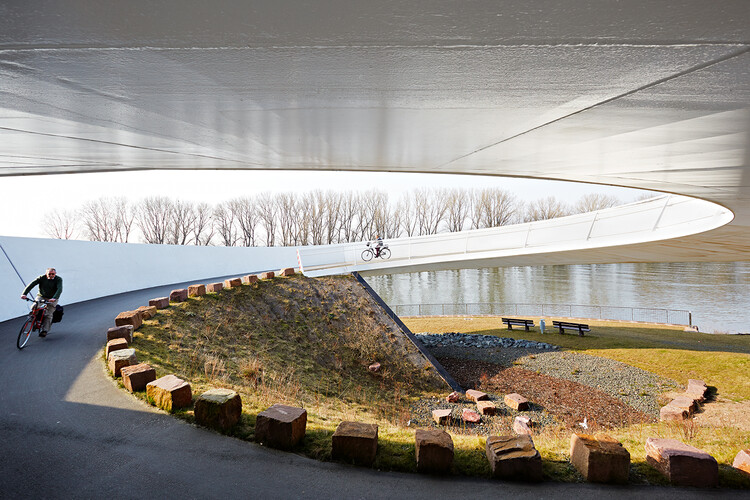
도시를 만드는 참여: 유토피아 시간 2026의 교훈
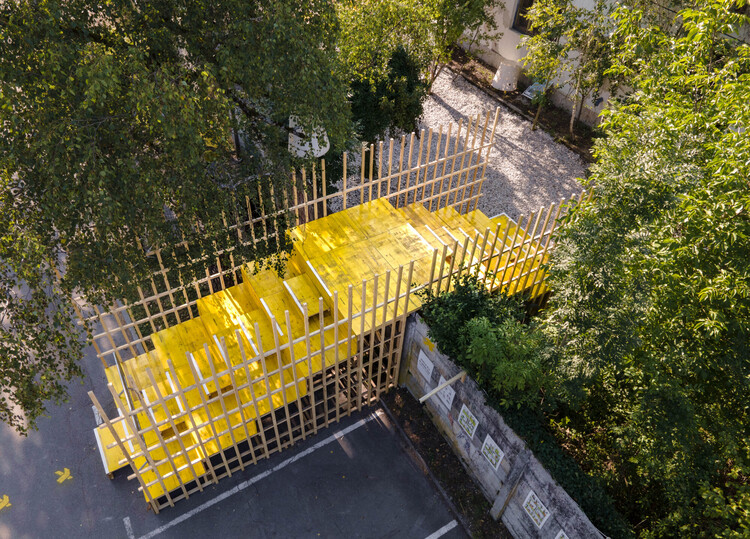
파리, 살아 있는 실험실로서의 도시: 근접성, 포용성, 그리고 기후 및 사회 인프라로서의 학교
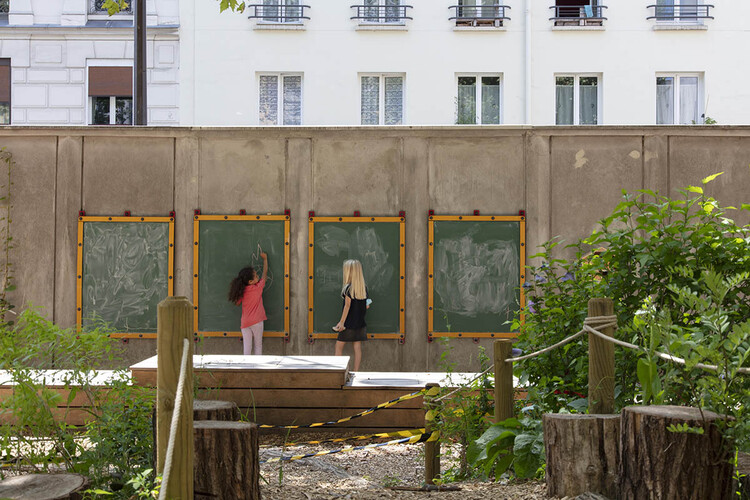
도시 만들기: 보고타와 멕시코시티가 도시 불평등에 어떻게 대응했나
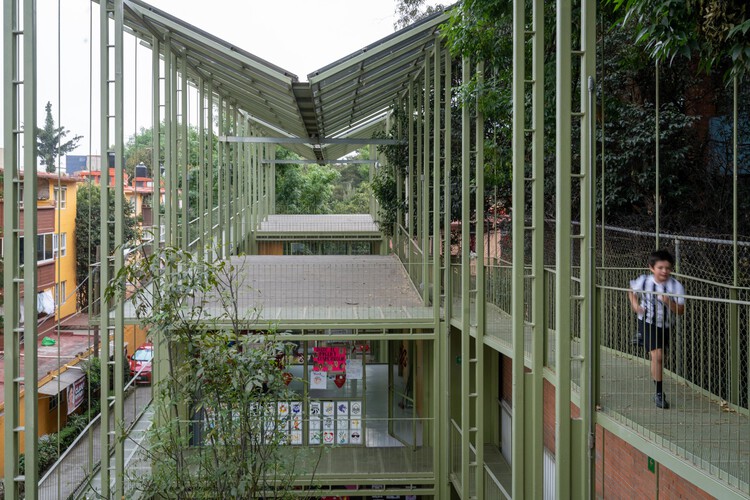
도시를 건강의 시스템으로 보는 관점: 계획에서 피드백 루프를 끊다