매년 9월 21일, 국제연합은 국제 평화의 날을 기념합니다. 이 기념일은 전 세계적으로 비폭력, 사회적 안정성, 그리고 인간 존엄성을 키우기 위해 필요한 조건에 대해 성찰하도록 초대합니다. 2026년의 주제인 “Invest in Peace – For Everyone, Everywhere, Every Day(모두를 위해, 모든 곳에서, 매일 평화를 투자하라)” 아래, 국제기구는 평화가 정적이거나 자립적으로 유지되는 것이 아님을 강조합니다. 평화는 외교 협정으로만 정의되는 추상적 조건이 아니라, 경제적 형평성, 제도적 청렴성, 그리고 지역사회 전반의 시민 생활의 질에 의해 형성되고 지속되는 사회적 과정으로 작동합니다.

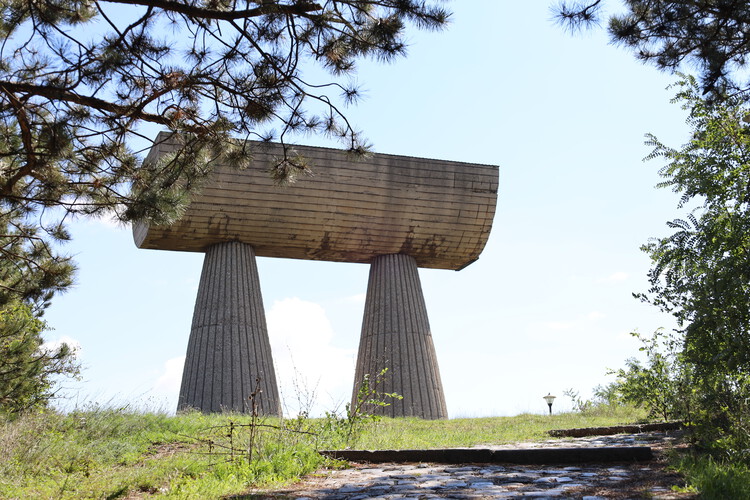
Le conflit s’expérimente aussi par l’espace. La guerre et l’instabilité politique transforment les logements, les infrastructures publiques, le patrimoine culturel et les paysages; les déplacements forcés peuvent remodeler des quartiers et des régions urbaines entières. Au-delà des zones directement touchées par le conflit, des questions liées à la ségrégation, à l’accès inégal aux ressources, à l’exclusion et à la militarisation des espaces publics montrent comment les tensions sociales et politiques peuvent s’inscrire durablement dans l’environnement bâti.
Spaces for Encounter, Inclusion, and Civic Life
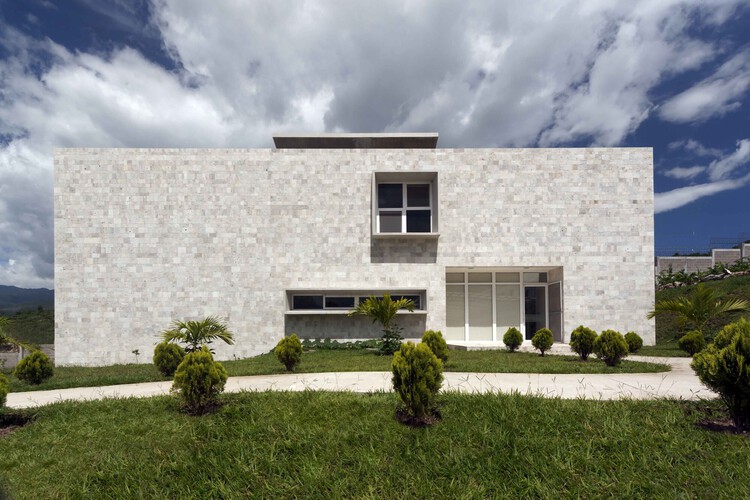
Architecture for Peace: Fostering Growth and Learning through Educational Spaces in Honduras
Cultivating Non-Violent Cities: 10 Examples of Friendly Public Spaces
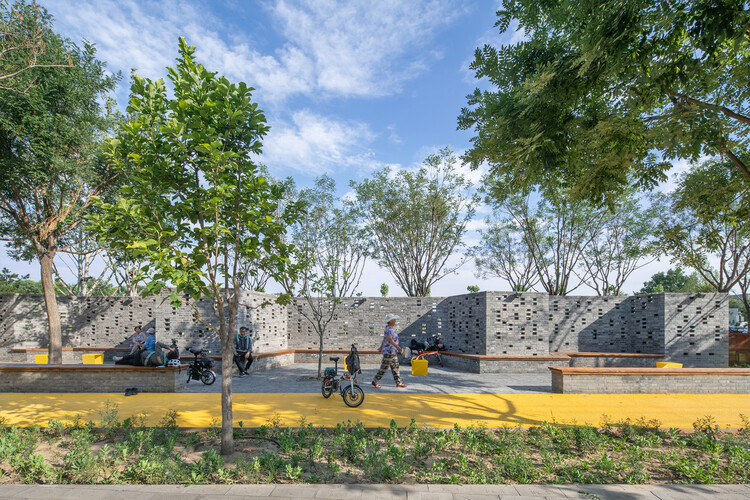
The Antithesis of Hostile Architecture: Projects That Contribute to Urban Hospitality
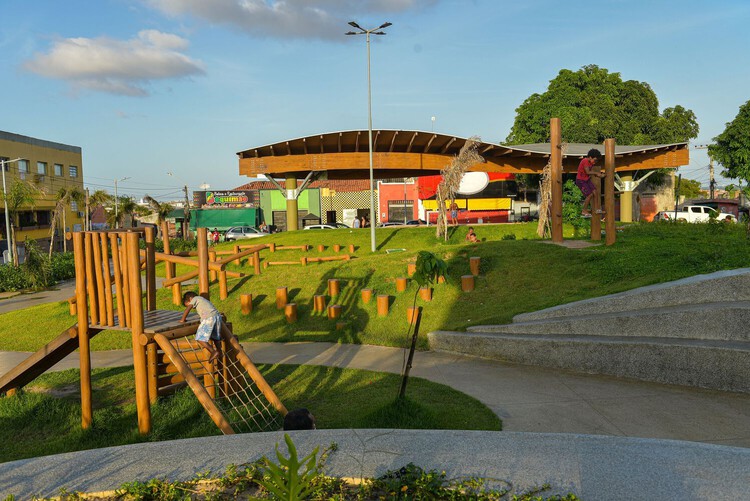
Building Stronger Communities: The Role of Regional Identity in 7 Multi-Purpose Projects
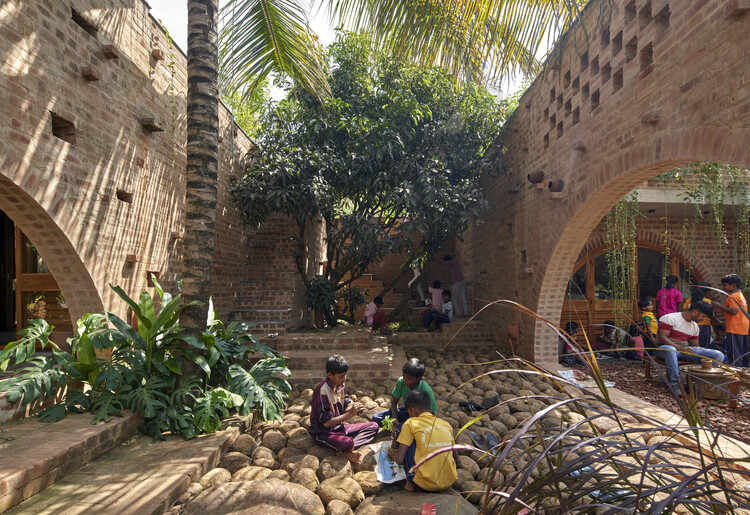
Pavilions in Cities: 14 Structures that Foster Human Interactions
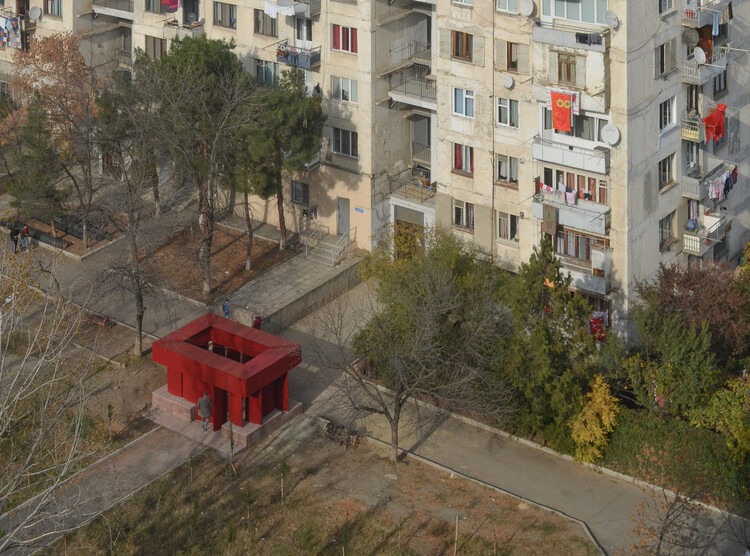
Heritage Destruction, Post-Conflict Recovery, and Collective Memory
Craft After Conflict: Why Rebuilding Cities Begins with Rebuilding Knowledge
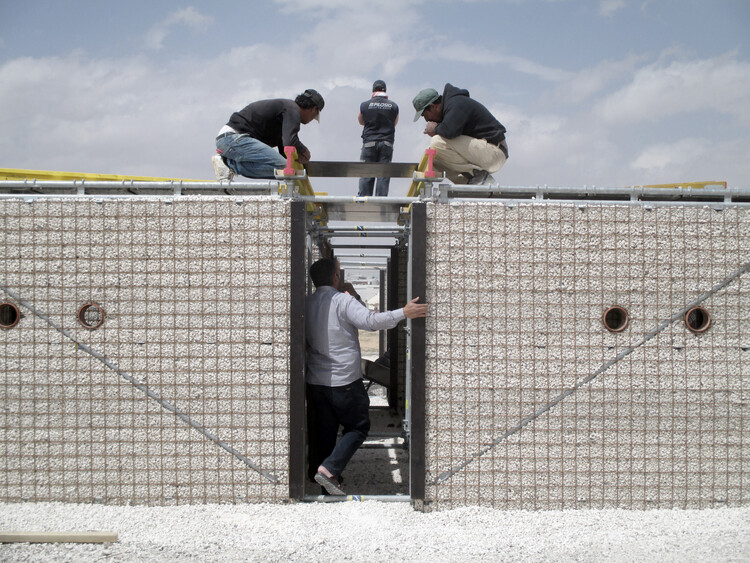
Cultural Heritage Sites in the Middle East Damaged as War Strikes Historic Urban Areas
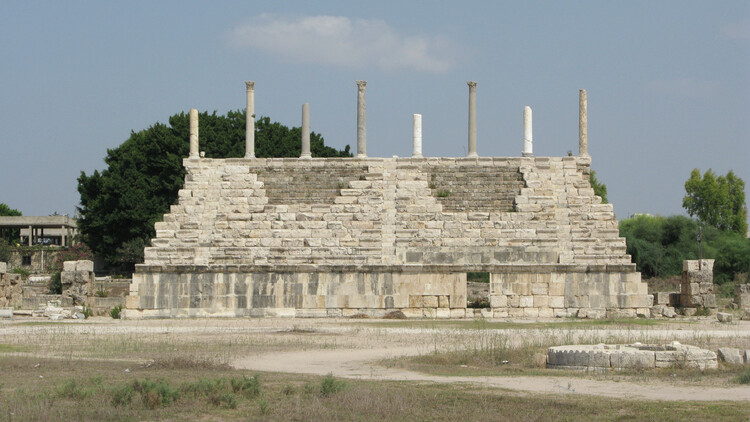
UNESCO Culminates the Restoration Program of the City of Mosul, Iraq
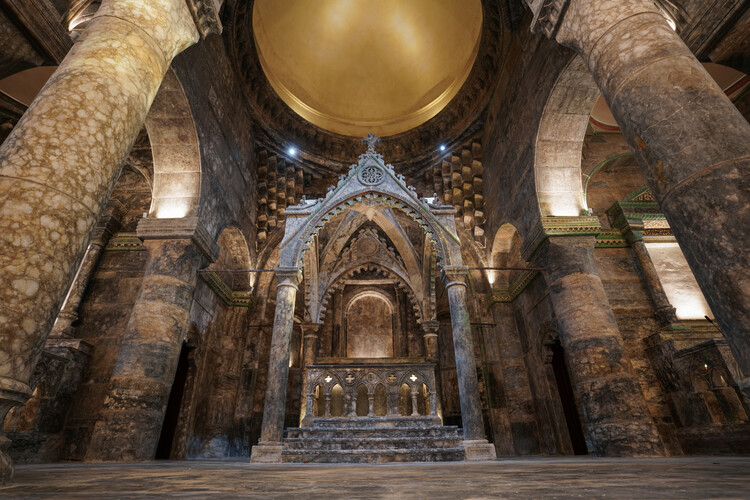
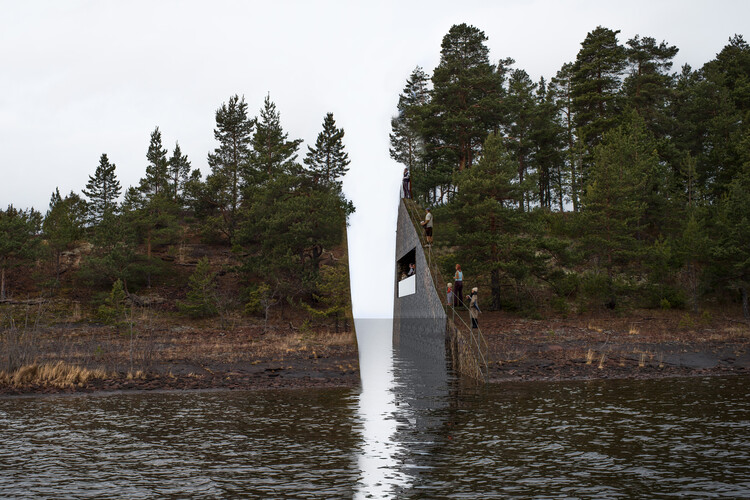
Memory, Memorials, and the Representation of Conflict
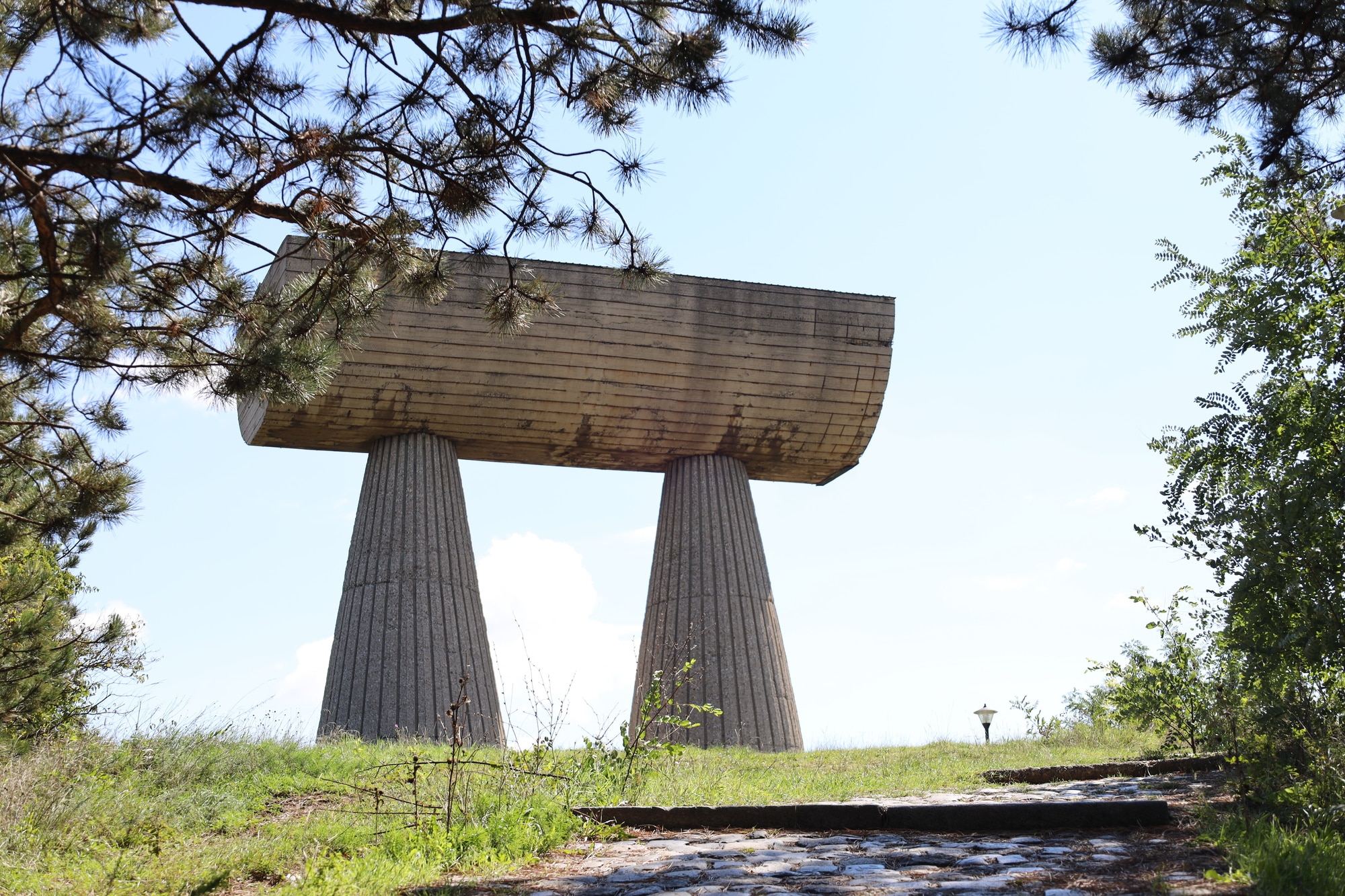
Concrete Memory: 12 Postwar Monuments Across Eastern Europe
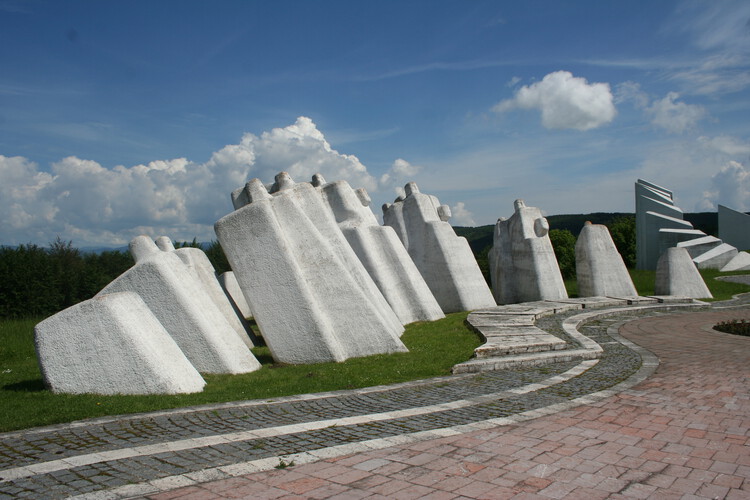
How Will Future Generations Respond to Modern-Day Memorial Architecture?