국제 민주주의의 날에 대해 올해 유엔은 전통적 아이디어를 되새긴다: 정부 결정 과정에 대한 광범위한 시민 참여를 강조하는 관점이다. 이 기념일의 맥락에서 국제 기구는 참여와 다양한 목소리의 포용이 더 공정한 사회를 구축하는 데 어떻게 기여하는지에 대한 성찰을 촉구한다. 공간적 관점에서 민주주의에 대한 성찰은 수직적 틀을 넘어서 ‘대면’으로 이해될 수 있다. 공간이 민주적이라는 것은 구체적으로 무엇을 의미하는가? 건축이 민주주의의 원칙을 구현하는 데 어떤 기여를 할 수 있는가? 현재 전 세계적으로 정치 조직 체계의 위기가 심화되는 상황에서 이 날은 우리에게 사회 공간 도구를 활용해 개인화와 권위주의를 질문할 기회를 제공한다.
그처럼 넓은 범위의 개념임에도 민주주의는 중립적이거나 객관적이지 않다. 역사적으로 민주주의는 식민지화의 근거가 되거나 가혹한 권력 체계의 정당화를 가능하게 하거나, 사적 재산의 보호를 강화하는 데 이용되기도 했다. 그럼에도 이 개념은 대부분 정의, 형평성, 사회적 안전과 같은 공유 가치로의 길로 이해된다. 국제연합의 표현에 따르면 민주주의는 “목표이기도 하지만 과정이기도” 한 것이다. 우리는 어떻게 건축된 환경의 설계와 영토 연구를 통해 이러한 가치를 추구할 수 있을까? 표현의 자유 관점에서 공공공간은 낯선 사람들 사이의 만남의 공간이 되어 대화와 관용을 촉진한다. 영토 정의의 관점에서는 기후 위기 및 주거의 대표성과 접근성 문제에 대응하기 위한 설계 도구와 사적 재산 규제 수단을 활용할 수 있다. 건물의 규모 차원에서 건설은 정치적 행위이며, 건물 자체가 사회적 상징을 품는 매개체임을 우리는 인식한다.
다음에는 네 가지 주제에 대한 기사 모음을 제시한다: 참여를 위한 공공공간, 영토에서의 기후 회복력과 재산권, 주거의 공정한 접근성을 위한 공공정책, 그리고 우리 건축물의 디자인에 담긴 상징성. 이 글의 목적은 전 세계적이고 개방적이며 시민적인 시각으로 건축과 민주주의의 관계를 성찰하는 대화를 여는 데 있다.
Public Spaces for Encounters Between Strangers: Dialogue, Participation, and Protest
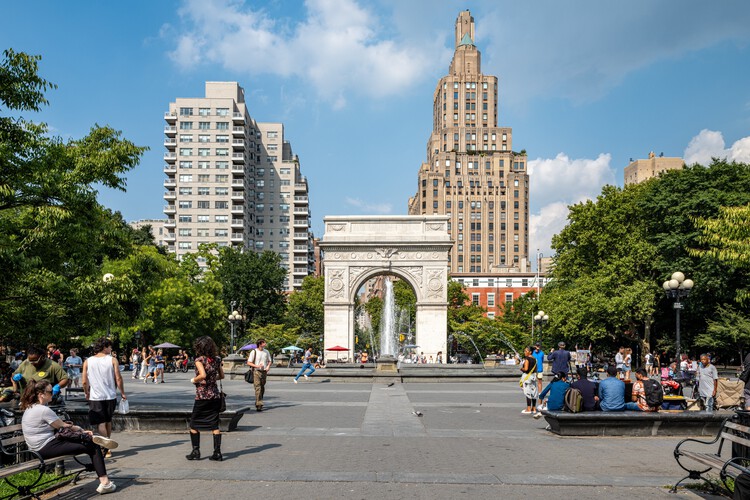
The Role of Urban Spaces in Shaping Movements: 7 Sites of Resistance and Protest Across the USA
Places of Protest in Africa: Public Spaces for Engaging & Fostering Democracy
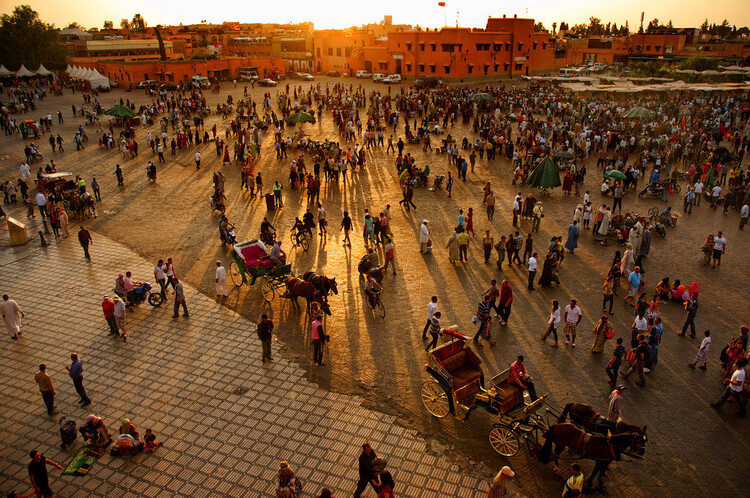
The Role of Urban Design in Women’s Safety: Lessons from Four Public Spaces
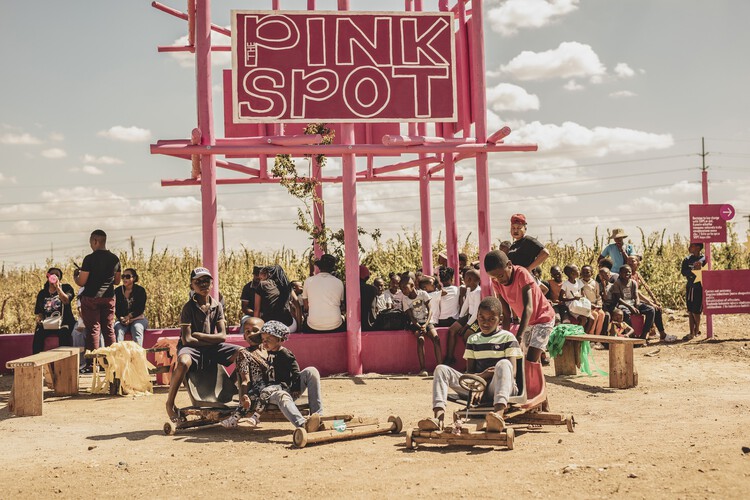
The Role of Color in Urban Space: Designing for Safety and Accessibility
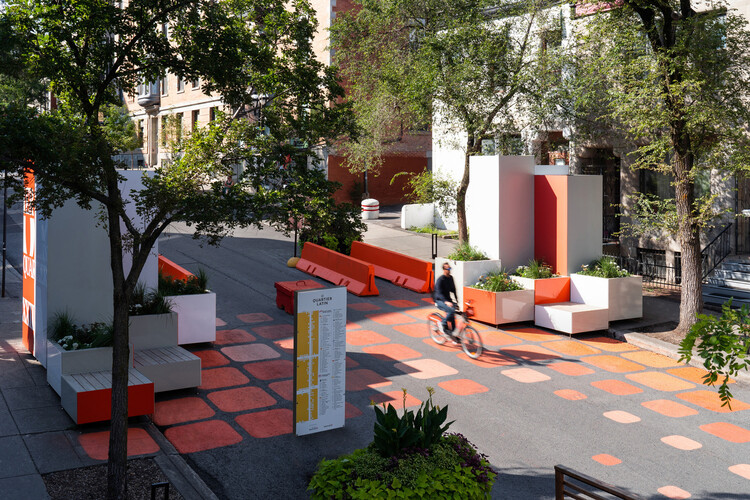
Tools for Territorial Justice: Property, Climate Resilience, and Representation
Mapping Narratives: What the UN Map Reveals About Symbolic Reparations
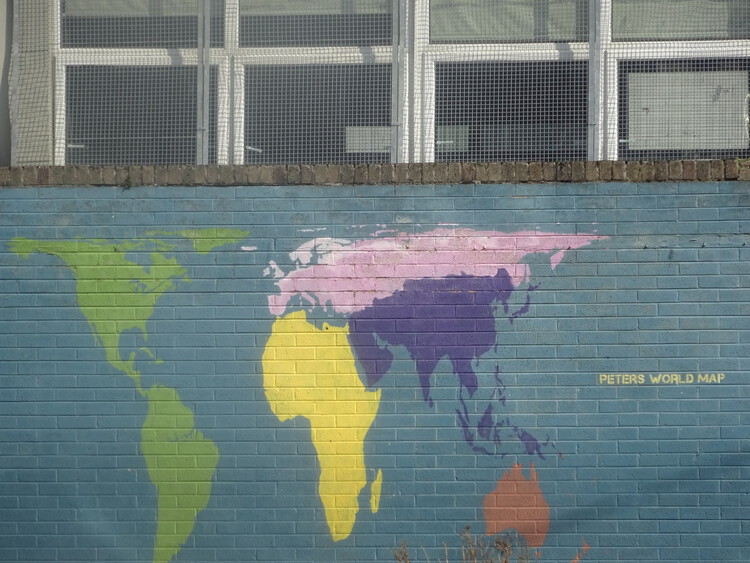
Unearthing the Ground: Architecture and the Politics of Soil
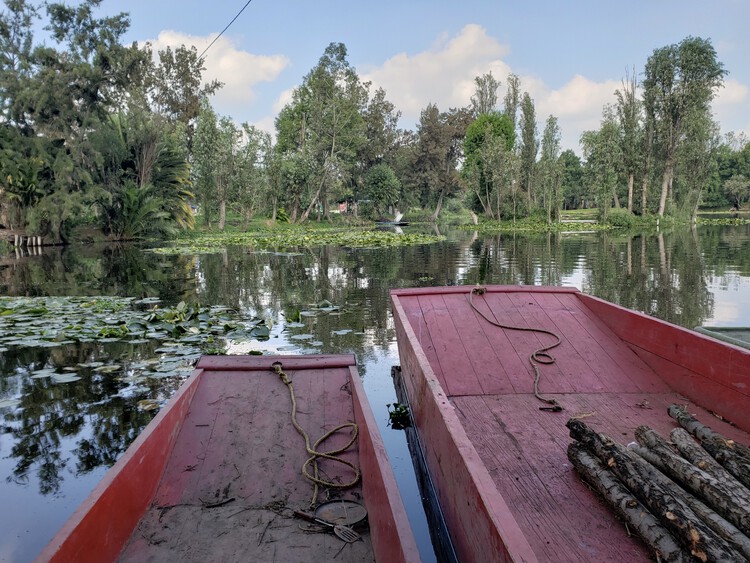
Reconciling the Environment as Housing: The Case of the Chinamperos of Tlacoapa
The Right to Housing: Public Policies to Expand Access
Building, Taxing, and Financing: New York City’s Recent Measures to Tackle the Housing Crisis
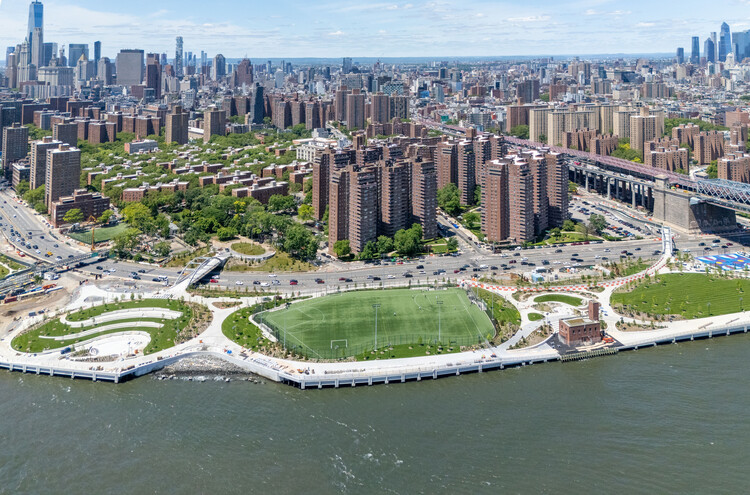
Housing Affordability Crisis: Architectural and Policy Responses from Spain, France, Australia, and the United States
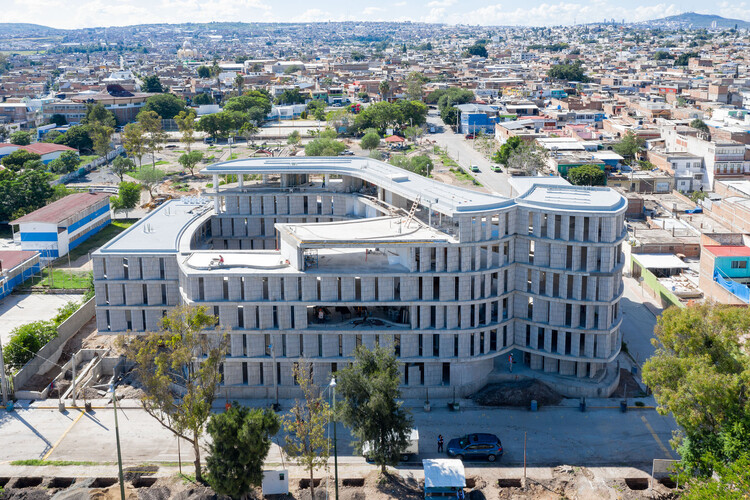
The United States Enacts Sweeping Housing Reform Legislation to Expand Affordable Housing
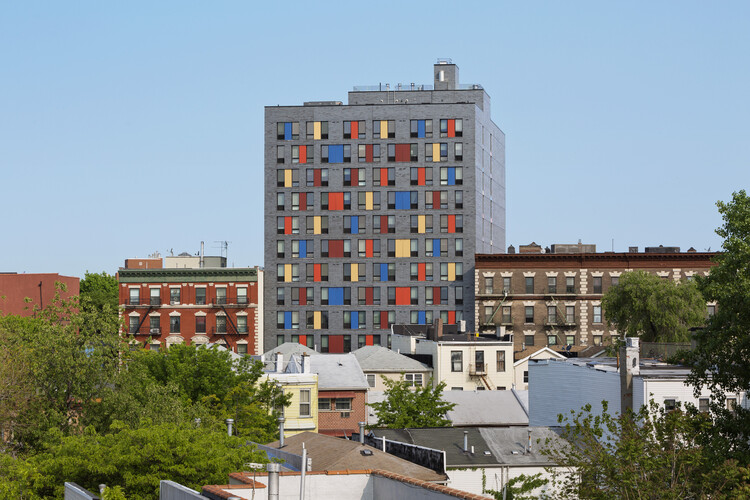
Symbolism in Buildings: Openness, Heritage, and Horizontality
Transparent Buildings and the Illusion of Democracy
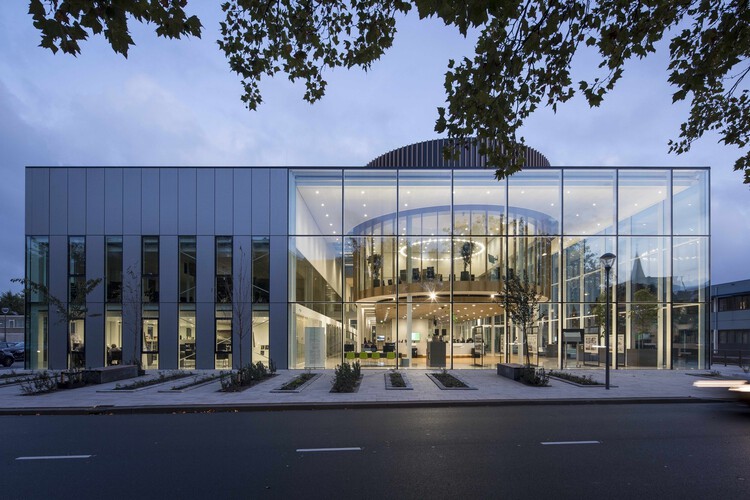
Building as Political Practice: USINA and the Legacy of Collective Construction in Brazil
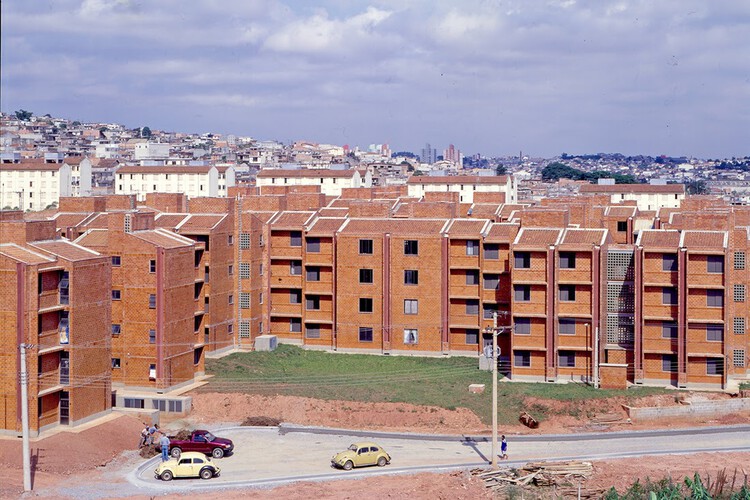
Who decides what deserves to be preserved? Power and heritage in Latin America