

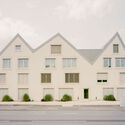

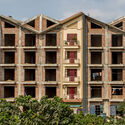
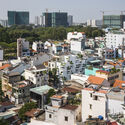
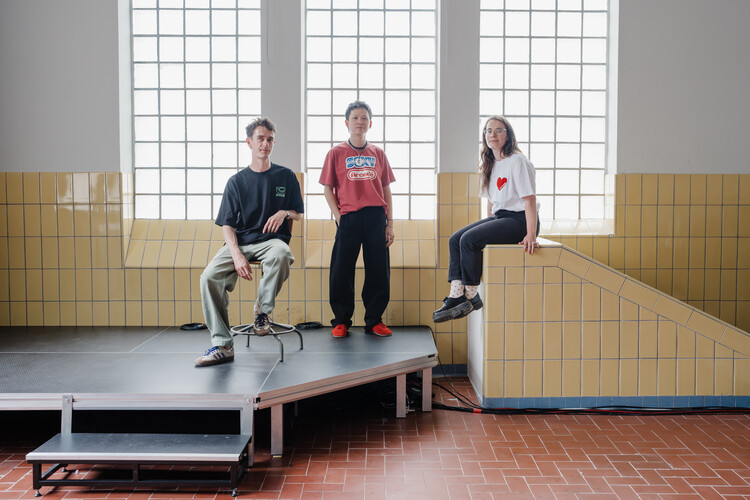
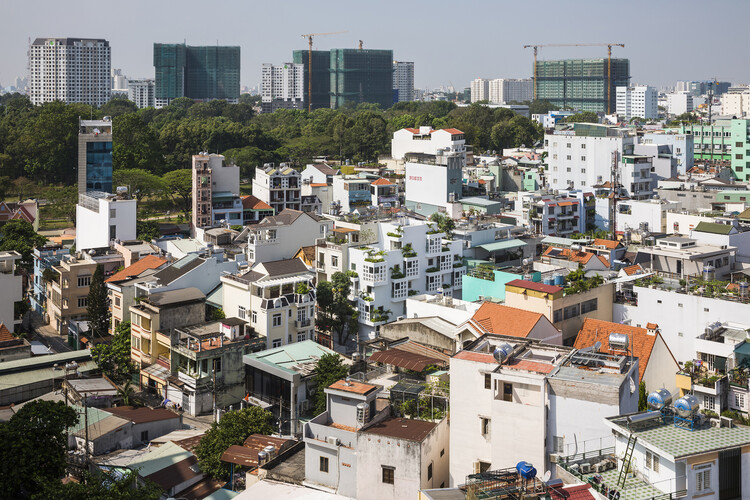
According to the European Housing Coop, Luxembourg’s housing supply is structured around a dual system split between a high-cost private market and a strictly regulated, publicly subsidized sector. From a holistic perspective, “Excess!” expands on the implications of demographic and economic growth in a world of finite ecological resources, in light of the country’s high per capita housing floor area. The exhibition will share space and resources with Vietnam, bringing into dialogue the realities of Luxembourg, one of Europe’s richest countries, a small parliamentary democracy in the form of a constitutional monarchy, with those of Vietnam, one of Southeast Asia’s fastest-growing economies and a one-party Communist state. The curatorial team seeks to open up conversations and learn from intersecting perspectives, drawing on professional experience in housing systems and realities, social justice through design, and queer theory in architecture.
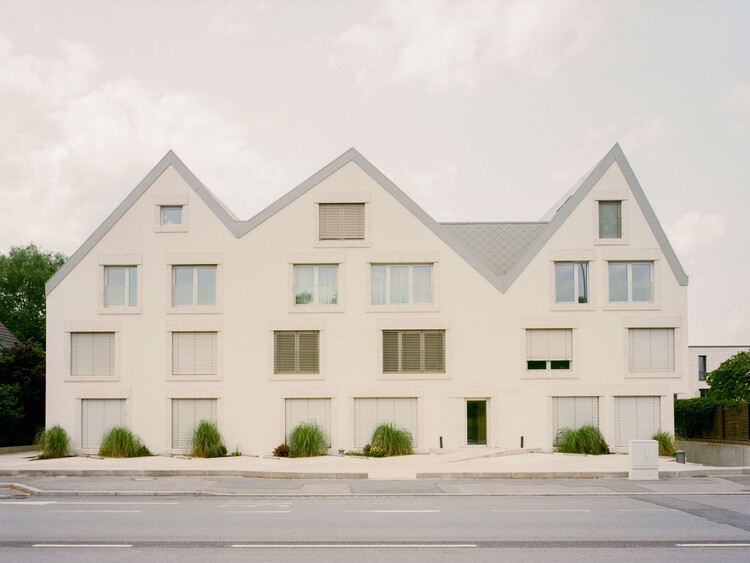
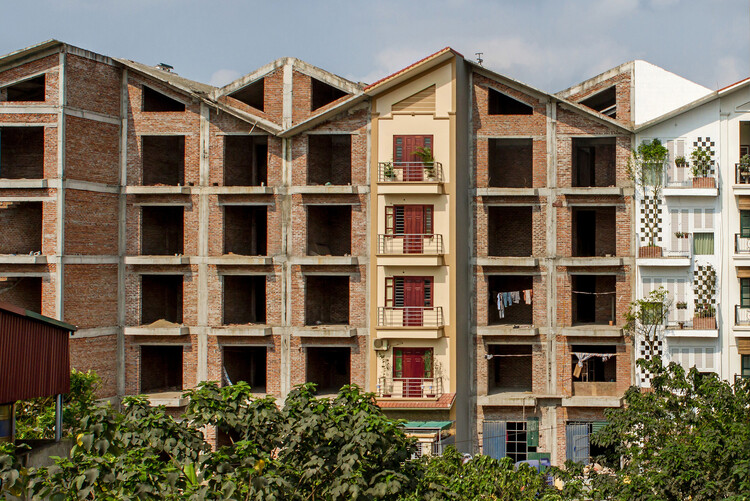
The jury was composed of Valentin Bansac, Mike Fritsch, and Alice Loumeau, curators of the 2025 Luxembourg Pavilion; Maribel Casas, director of LUCA – Luxembourg Center for Architecture; Aslı Çiçek, associate professor at Hasselt University’s Faculty of Architecture and Arts and visiting professor at Ghent University’s Department of Architecture and Urbanism, and editor of OASE; Sophie Dars, architect, professor, and co-founder of Accattone Magazine; Michelle Friederici, president of the Luxembourg Order of Architects and Consulting Engineers; Claudine Hemmer, advisor for visual arts and architecture at Luxembourg’s Ministry of Culture; Pamela Medina Lopez, project manager for biennials, festivals, and fairs; and Eléonore Mialonier, head of architecture, design, and crafts at Kultur | lx – Arts Council Luxembourg.
The upcoming Venice Architecture Biennale will be open to visitors from May 8 to November 21, 2027. The 20th edition is titled “Do Architecture — For the Possibility of Coexistence Facing a Real Reality,” curated by Amateur Architecture Studio founders Wang Shu and Lu Wenyu. Other national pavilions responding to the curatorial call include the German Pavilion, examining coexistence and democracy through “CONVIVERE”; the Ukrainian Pavilion, examining displacement and shared space through “Pool of Questions”; and the Türkiye Pavilion, examining reuse and memory through “Spolia Futures.”


