다양한 지리와 규모를 아우르는 이번 주의 건축 소식은 이동성, 노동, 공동체 삶의 변화하는 패턴에 대응해 도시와 건물이 재조정되고 있다는 점에 지속적으로 주목하고 있다. 여러 맥락에서 공공 공간과 이동성은 여전히 핵심 과제로 남아 있으며, 거리와 도심, 대규모 개발 프로젝트는 접근성, 회복력, 일상적 사용에 대한 새로운 접근법을 시험하는 장으로 작용한다. 보행자 친화 정책과 지역사회 주도형 비전은 변화하는 거버넌스 모델과 장기적 도시 전략의 방향을 가리키며, 문화적이고 연구 주도적인 플랫폼은 이러한 변화를 더 넓은 공공 담론의 맥락의에서 제시한다. 동시에 대형 혼합 용도 및 기업 프로젝트의 진전은 디지털 인프라, 환경 성능, 유연한 공간 프레임워크가 현대 건축에 점점 더 통합되고 있음을 강조한다.
Reclaiming Streets, Downtowns, and Public Life
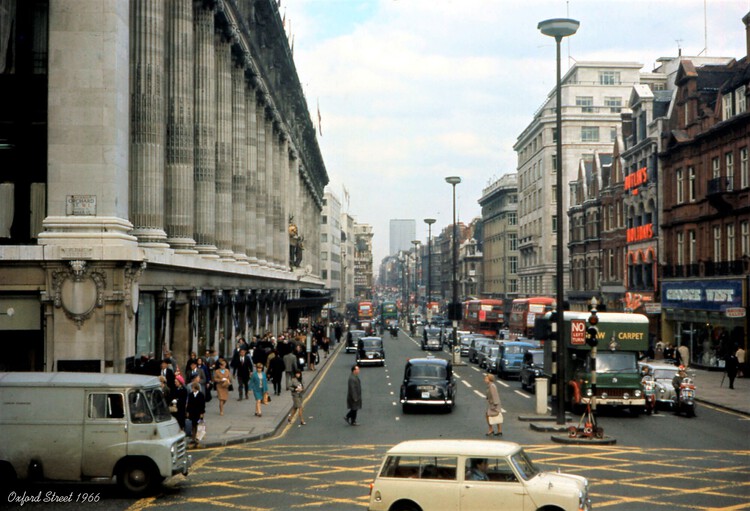
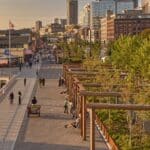
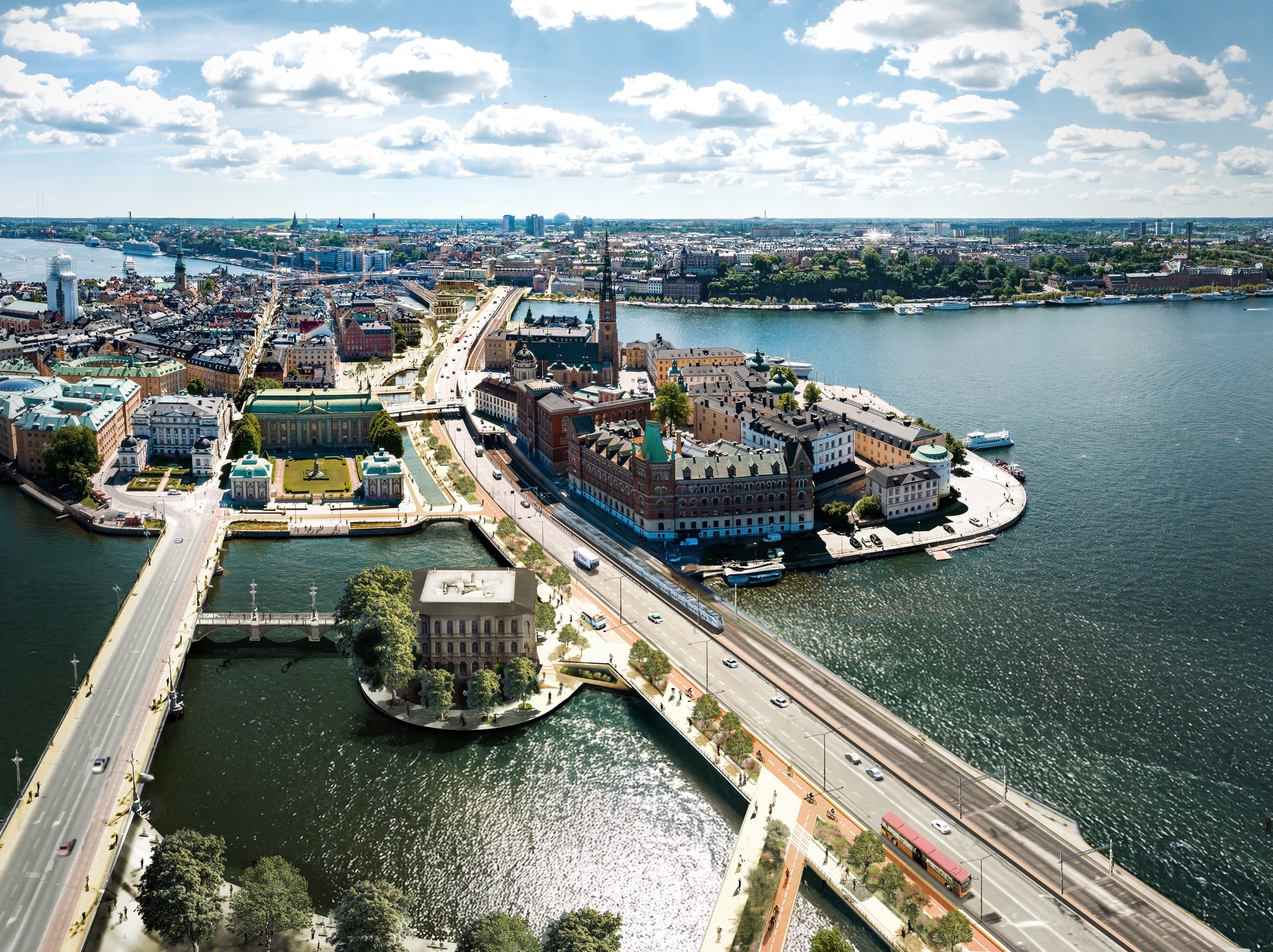
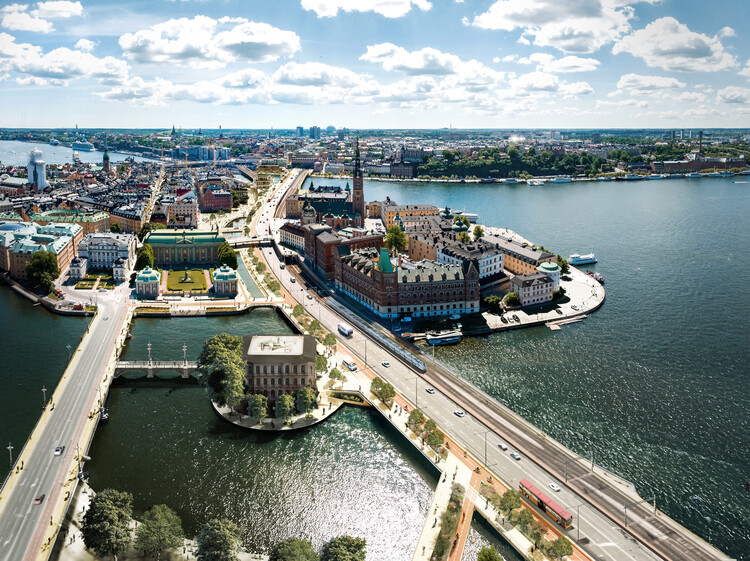
À travers la couverture de cette semaine, les rues et les quartiers centraux émergent comme les arènes clés de la transformation urbaine contemporaine, façonnées par des mutations de la mobilité, du post-pandémique et des modèles de gouvernance en évolution. Les initiatives de piétonisation continues à Londres, à New York, à Houston et à Stockholm illustrent comment les villes réévaluent le rôle des rues en tant qu’espaces civiques plutôt que simples couloirs de circulation. De la transformation d’Oxford Street en un processus de regeneration statutaire et concerté à l’évolution de Paseo Park à New York d’une rue ouverte temporaire à une infrastructure permanente, ces projets montrent des trajectoires variées vers des environnements à pied prioritaire. Les avancées de Houston sur la promenade principale (Main Street Promenade) se poursuivent avec un calendrier international fixe, tandis que la vision “Superline” de Stockholm présente la piétonisation comme une démarche fondée sur la recherche et guidée par les citoyens. Parallèlement, l’exposition “Coming Together: Reimagining America’s Downtowns” au National Building Museum replace ces transformations spatiales dans une conversation nationale plus large, documentant comment les villes américaines adaptent leurs centres-villes via des stratégies menées par les communautés, la réutilisation adaptative et des interventions d’espace public qui répondent à des changements durables dans le travail, la mobilité et la vie sociale.
Large-Scale Development, Technology, and the Contemporary Workplace
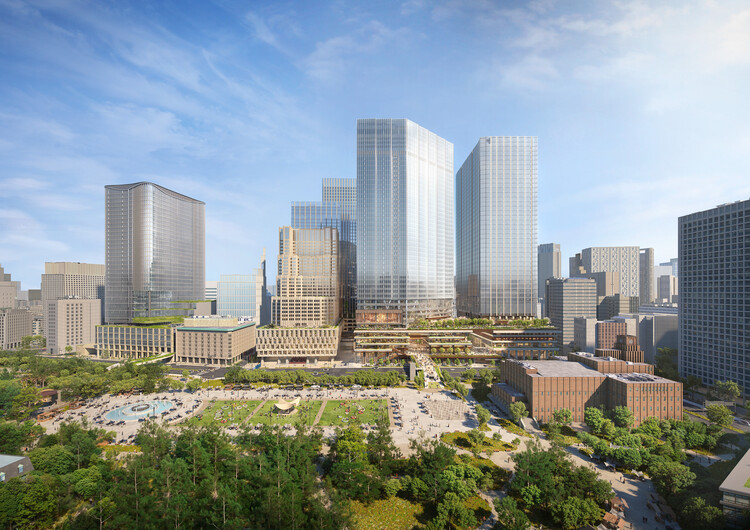
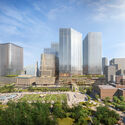
건물 규모의 맥락에서, 대형 혼합 용도 및 기업 프로젝트의 진행은 디지털 인프라, 환경 성능, 공간의 유연성이 현대 건축을 어떻게 형성하고 있는지 보여준다. 도쿄에서 NTT 히비야 타워의 착공은 PLP 아키텍처의 도쿄 크로스 파크 마스터 플랜의 첫 실현 단계로, 차세대 통신 기술을 혼합 용도 프로그램 및 대중 face 공간과 융합한다. 이 프로젝트는 본사 headquarters를 더 넓은 도시 프레임워크 속에 위치시키며 적응성 및 연결성을 강조한다. 비슷하게, 선전에 있는 자하 하디드 아키텍츠의 OPPO 본사 공사는 파사드 설치가 계속 진행되며, 유연한 오피스 환경과 공공 경로 및 편의시설을 결합하도록 설계된 수직적으로 통합된 캠퍼스를 형성한다. 이들 개발은 대형 프로젝트가 기술 시스템과 지속 가능성의 목표를 더 넓은 도시 및 시민적 고려와 맞물리도록 정렬하고 있음을 보여준다.
On the Radar
UNStudio Designs Hong Kong’s First Private Multi-Functional Theatre at Central Yards
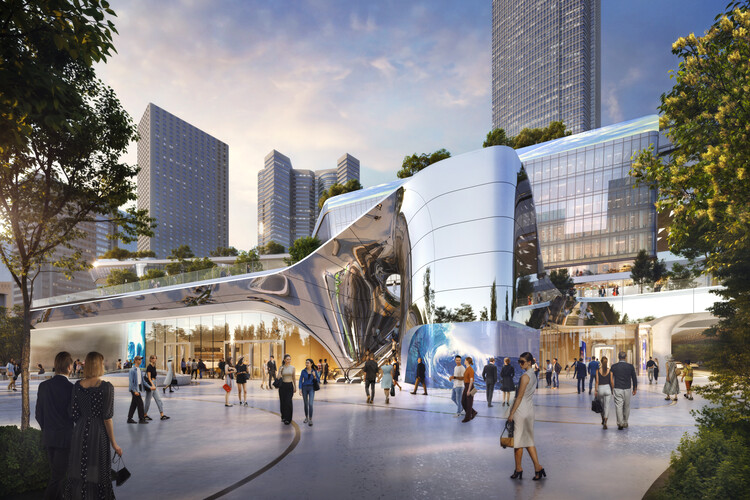
UNStudio는 New Central Harbourfront의 Central Yards 개발의 일환으로 홍콩 최초의 민간 대규모 다목적 극장을 설계 완료했다. Henderson Land의 의뢰로 이 극장은 상업, 문화, 공공 프로그램을 한 공간에 모은 4.8헥타르 규모의 400미터에 이르는 혼합 용도 프로젝트의 일부로 자리한다. 좌석은 1,100석을 넘으며 국제 순회 공연, 콘서트, 학제 간 공연 등 다양한 공연을 수용하도록 설계됐다. 극장은 무대를 포함한 객석과 음향 시스템을 조각된 격자 껍질 속에 통합하고, 고급 조명과 음향 기술이 이를 뒷받침한다. 공연 공간을 넘어 이 디자인은 내부 로비를 주변 조경 공간, 사무실 로비, VIP 시설과 연결해 해안가를 따라 실내외 공공 영역으로 문화 활동을 확장한다.
Proposal Aims to Restore a Filled-In Section of the Historic Bydgoszcz Canal in Poland
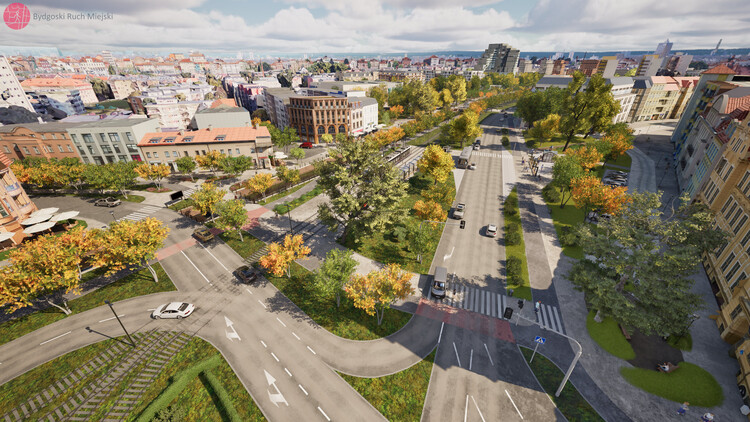
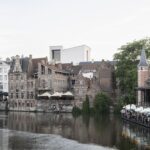
폴란드의 비드고슈치에서 도심의 도로 교통 수요를 반영하기 위해 매립되었던 약 500미터 구간의 Old Bydgoszcz Canal을 복원하자는 논의가 진행 중이다. Bydgoszcz Urban Movement가 건축가 Paweł Mrozek와 협력해 개발한 이 개념은 운하를 역사적 선로에 가깝게 다시 열고 Marszałka Focha 거리를 더 녹지로 보행자와 자전거 친화적인 도시 회랑으로 재구성하는 것을 제안한다. 파란 인프라와 녹색 인프라를 결합하고 도로 용량을 줄이며 새로운 공공 공간, 녹색 트램웨이, 전용 자전거 도로를 마련해 도시의 단절된 부분들을 다시 연결하는 것을 목표로 한다. 2025년 11월에 공개적으로 발표된 이 이니셔티브는 운하 복원을 기후 적응, 모빌리티 전환, 도시 재생이라는 더 긴 기간의 전략의 일부로 제시된다.
Tang Wing for American Democracy by Robert A.M. Stern Architects to Open at The New York Historical in 2026
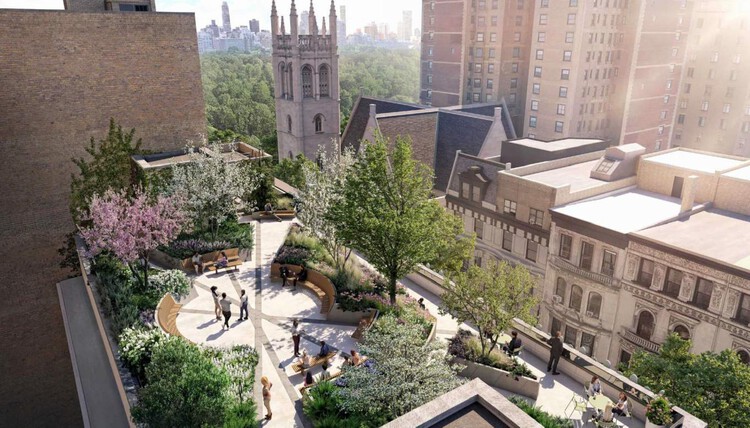
The New York Historical has announced that its 71,000-square-foot Tang Wing for American Democracy is scheduled to open on June 18, 2026, expanding the institution’s facilities and public programs as the United States marks its 250th anniversary. Designed by Robert A.M. Stern Architects, the new wing adds exhibition galleries, classrooms, collection storage, and conservation spaces to the museum’s Upper West Side campus, while enabling the expansion of its educational initiatives, including the Academy for American Democracy. Architecturally, the project introduces a contemporary addition that draws material continuity from the existing landmark building through the use of granite sourced from the same Maine quarry.