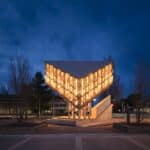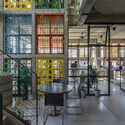
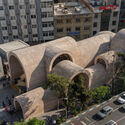
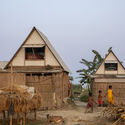
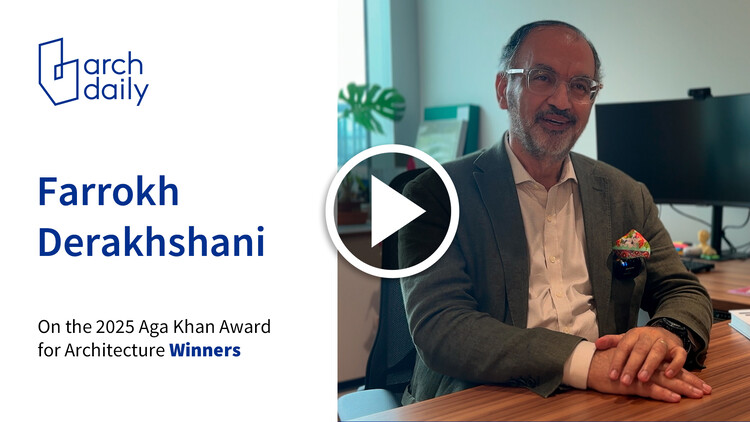
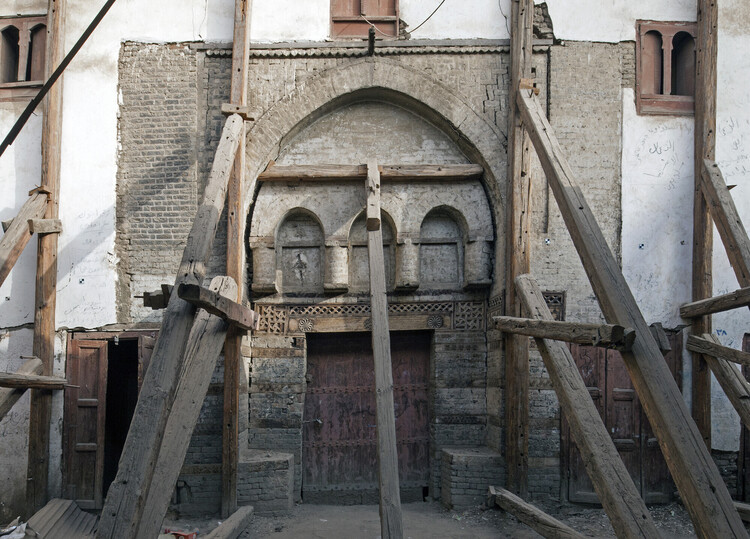
According to Derakhshani, the Award’s rotating jury ensures each three-year cycle is relevant, mirroring society’s changing interests. He believes architecture today is no longer defined by regional styles but by shared global values, yet the ultimate measure of success remains appropriateness to context. A winning project must intelligently use available materials and manpower to offer solutions that are socially, culturally, and economically fitting for its specific community. This year’s winners, he notes, were chosen from over 360 submissions to deliver a collective message of optimism and showcase architecture’s power to create positive change.
We live in a global village, we live in a global world, and people’s aspirations, people’s requests, people’s solutions are somehow general as well. So one can learn from one to the other, although they’re very site-specific. […] One cannot say that this architecture is for this place and this architecture is for that. No, there are different ways of living, there are different ways of doing. The only thing is appropriateness. – Farrokh Derakhshani
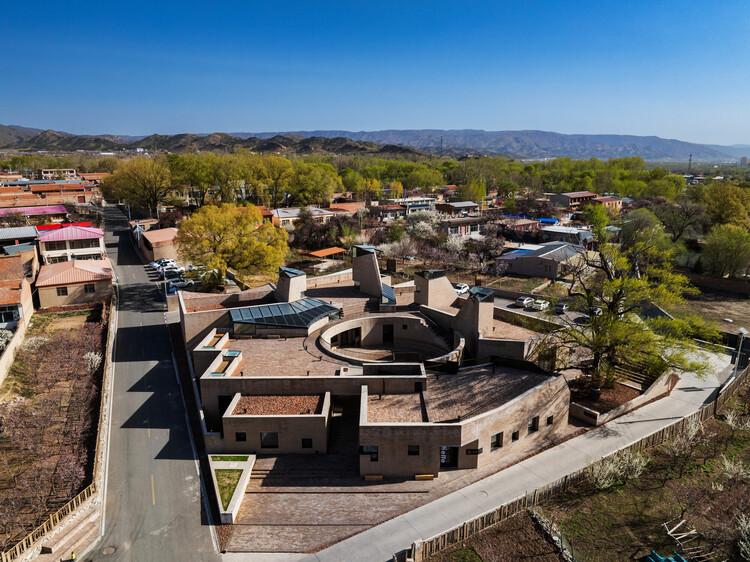
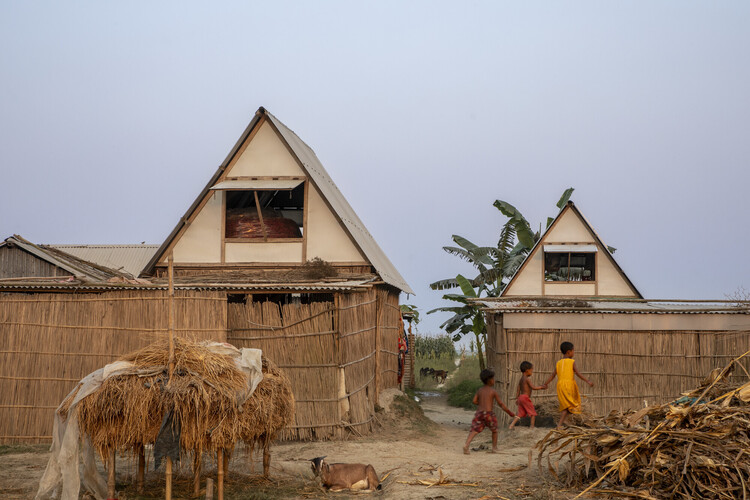
In discussing the winners of this edition of the award, Derakhshani highlights how each project advances architectural thinking. He points to Marina Tabassum’s Khudi Bari in Bangladesh, which pioneers a replicable bamboo housing system. Its key success is creating a framework that allows the community to adopt the design and “let it grow itself,” redefining the architect’s role as a facilitator. Similarly, the West Wusutu Village Community Centre in China by Zhang Pengju stands as a model for rural development, praised for its elegant design that intelligently uses reclaimed bricks and available local manpower. In Pakistan, Vision Pakistan by DB Studios addresses social empowerment directly, offering dignity to vocational education for disadvantaged youth through a joyful and well-crafted building that instills a sense of pride.
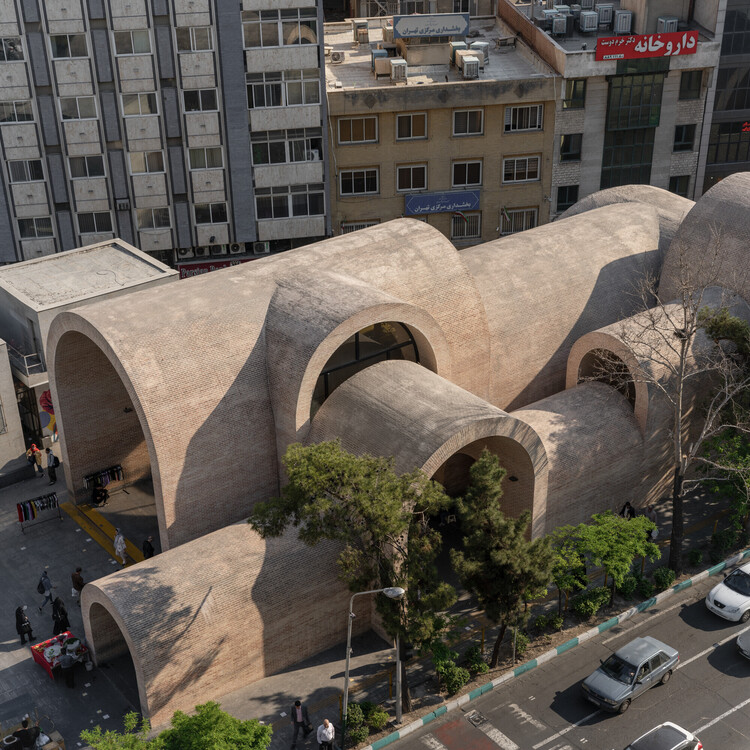
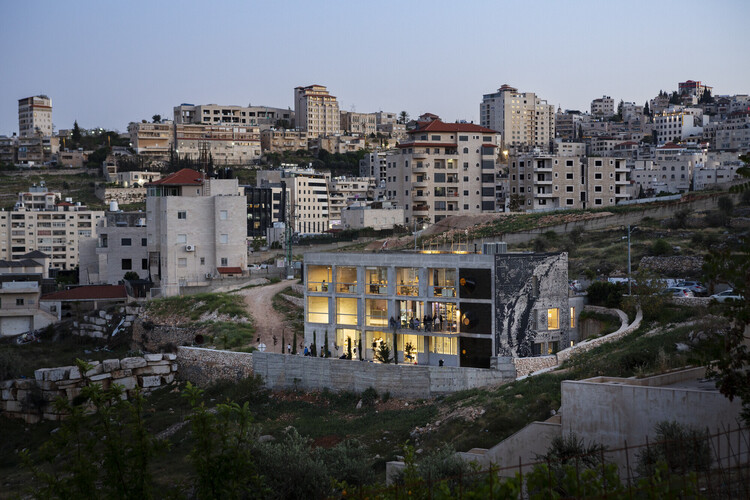
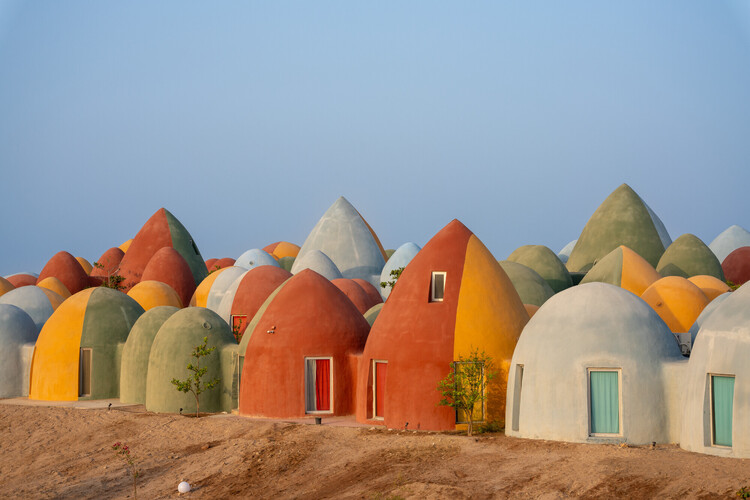
Other winners demonstrate architecture’s capacity to revitalize complex urban and cultural landscapes. The Revitalisation of Historic Esna in Egypt is lauded for its comprehensive approach, merging heritage preservation with socioeconomic initiatives to ensure the local population benefits from tourism without erasing layers of history. In Iran, two projects showcase this principle: ZAV Architects’ vibrant Majara Complex generates a new, sustainable tourist economy rooted in its unique landscape, while KA Architecture Studio’s Jahad Metro Plaza transforms a neglected urban node into a lively public space with remarkable architectural sincerity. Finally, the Wonder Cabinet in Palestine by AAU Anastas acts as a crucial hub for cultural production and identity, a form of activist architecture creating a resilient community space that asserts a modern identity in a politically charged context.
In our world today… we should not say museums, art galleries, schools. Hub. We need public spaces which people can use at different parts of the year by different programs. The architects have been doing this by knowing the context. – Farrokh Derakhshani