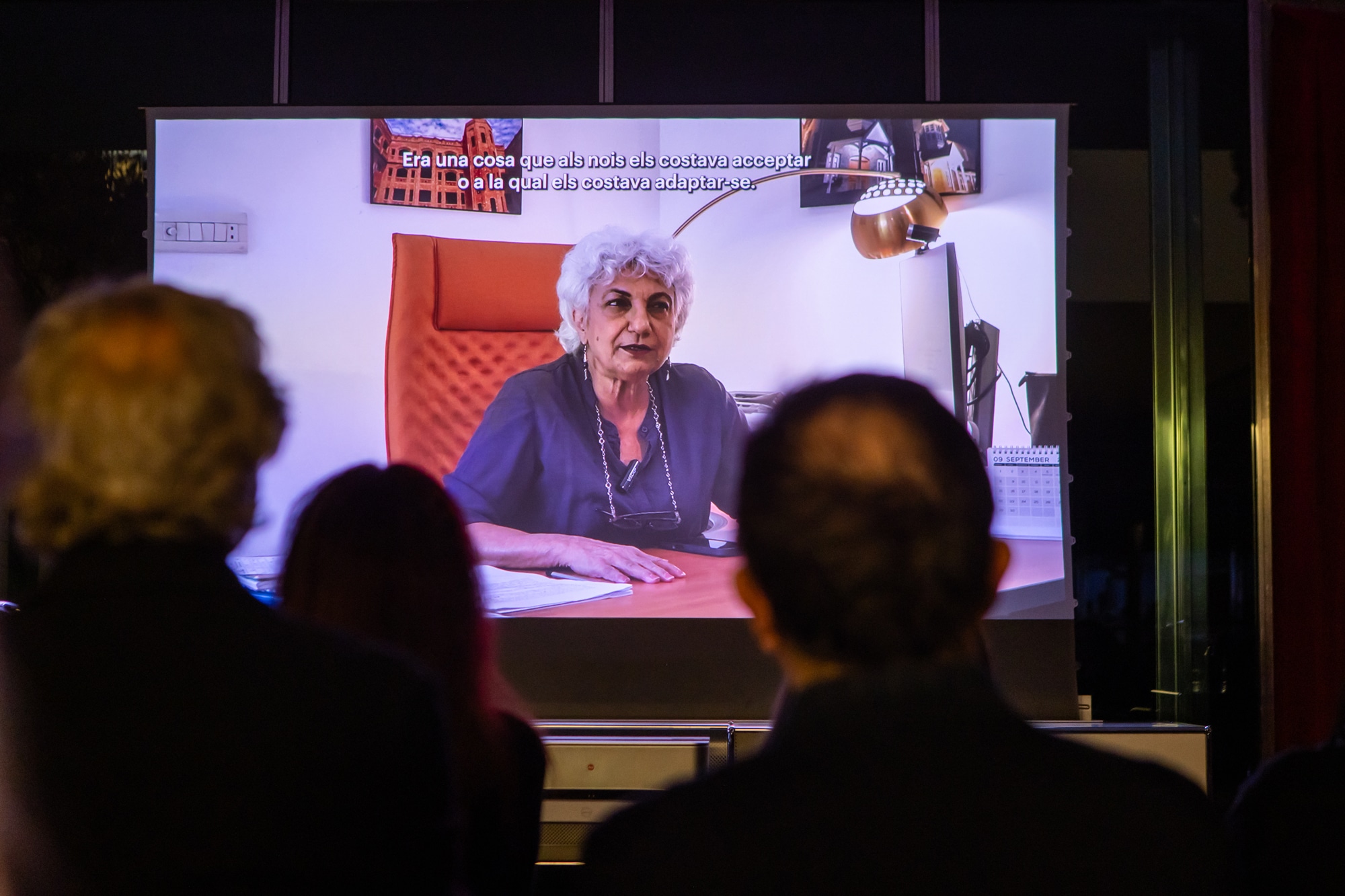
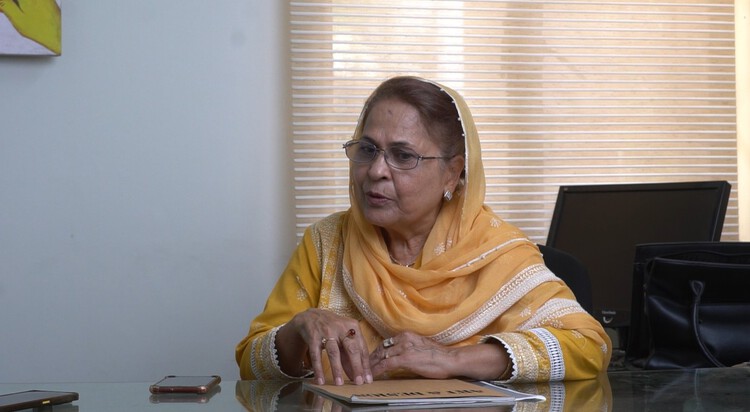
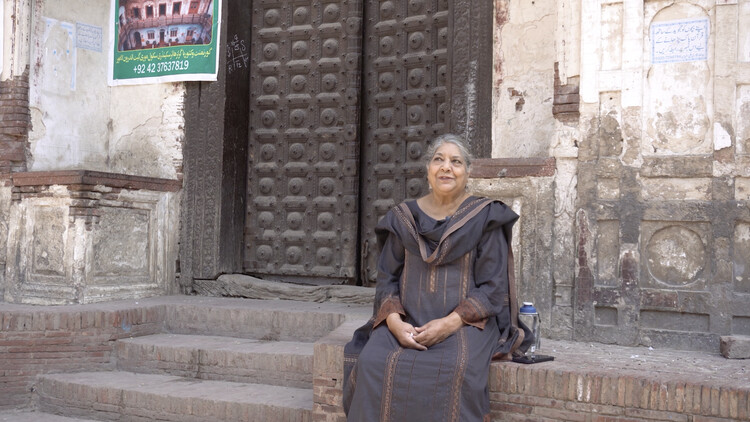
“Gender equity remains an ongoing problem in architecture. Women architects are roughly one-third of the profession or less worldwide.” This is the opening statement of the documentary Transnational Narratives: A Documentary Celebrating South Asian Women in Architecture, a result of the 4th Lilly Reich Grant for Equality in Architecture. The grant, an initiative by the Fundació Mies van der Rohe, promotes equal access to opportunities in architectural practice and supports the study and dissemination of contributions to architecture that have been unfairly rendered invisible. Within this context, the documentary, created by Dr. Igea Troiani, Dr. Mamuna Iqbal, artist and researcher Paula Roush, and filmmaker Rime Tsujino, brings visibility to the experiences of six architects of South Asian origin: Sumita Singha, Chitra Vishwanath, Sara Khan, Fauzia Qureshi, Sajida Vandal, and Neelum Naz, whose professional careers span India, Pakistan, and the United Kingdom.


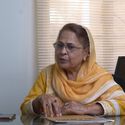
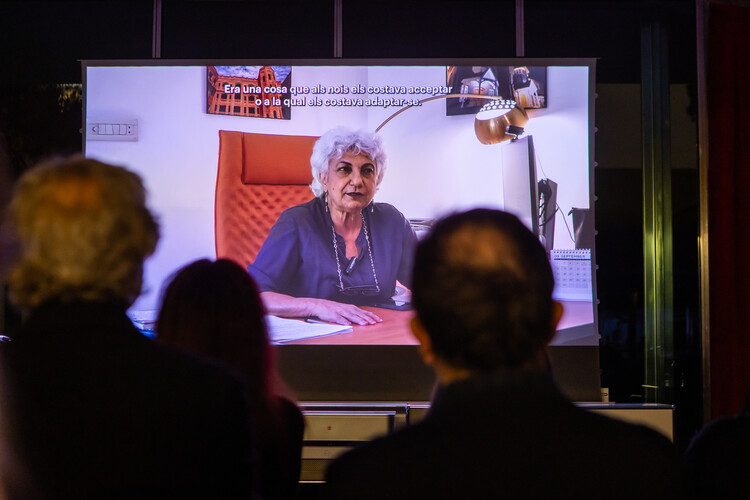
Transnational Narratives: A Documentary Celebrating South Asian Women in Architecture contributes to the mission of the grant by highlighting architectural practices that often fall outside dominant disciplinary narratives. It presents alternative ways of practicing architecture, often more collective and socially engaged, opening new possibilities for the future of the profession. The film was developed by Dr. Igea Troiani, Professor and Director of Architecture at London South Bank University, and Dr. Mamuna Iqbal, Professor at the University of Engineering and Technology Lahore, together with artist and researcher Paula Roush and filmmaker Rime Tsujino. Troiani and Iqbal conducted the interviews and research, while Tsujino led much of the filming and editing.
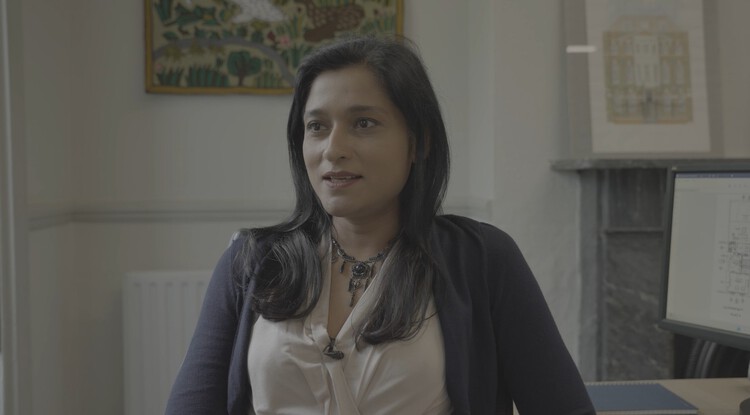
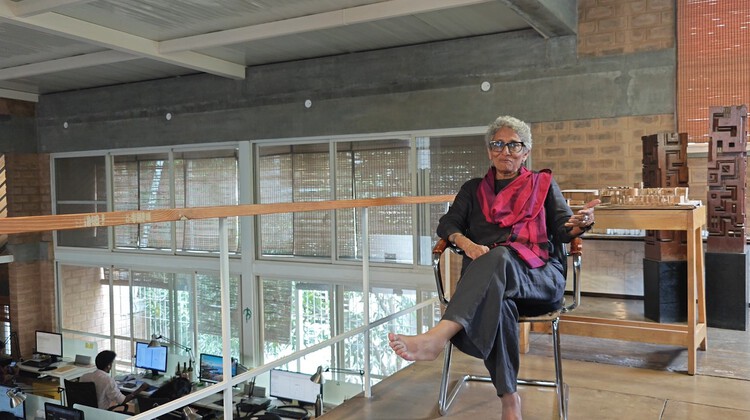
The stories collected present architecture as a multifaceted and committed practice: a discipline that combines design, teaching, research, and social action. Through these women’s professional experiences, the film foregrounds empathy, ethics, and environmental responsibility. Drawing on personal histories that include migration, motherhood, activism, and resilience in the face of patriarchal contexts, the documentary shows how these architects have forged their own paths while becoming role models for younger generations. The film structures the interviews around three thematic questions: what it means to be an architect, what challenges they experienced in their home countries, and how they approach feminist, inclusive, and transnational practice.
The opening shots feature the male and female figures on the façade of the Royal Institute of British Architects (RIBA) headquarters, accompanied by the statement: “We recognize that gender identity comes from personal experience, is not fixed, and comes from an internal sense of self that can be female, male, both, or neither.” From this starting point, the documentary’s exploration of gender equality emerges through the personal histories of these women within patriarchal sociocultural contexts in which they have broken new ground. In the first section, the architect is described as an inherently multifaceted figure, sometimes shaped by a bohemian environment, balancing empathy for both builders and future users. The participants emphasize the importance of honesty and empathy in architectural practice and reflect on the challenges of being female educators, while underscoring the belief that studying architecture can contribute to changing the world.
Film is a medium that has the ability to reach the widest possible audience, both within and beyond the architectural audience. It also allows us to record the audiovisual and body responses and behaviours of the six women architects of Pakistani and Indian origin whom we interviewed. It allowed us to show how they dress and how they move, their accents and the multiple languages they speak, thus showing their role as transnational agents within the architectural landscape ― Documentary authors, Dr. Igea Troiani, Dr. Mamuna Iqbal, artist and researcher Paula Roush and filmmaker Rime Tsujino
또한 건축계에서의 여성에 대한 최근의 인정으로는, 여권과 교육 담론에 기여한 바를 인정받은 Lesley Lokko의 African Cultural Icon Award 수상과, Architect’s Journal 및 The Architectural Review가 Barbara Buser를 2026 Jane Drew Prize의 수상자로 선정한 사실, 그녀가 순환 건축 분야의 전문가로서 스위스에서의 재해석적 실천에 앞장선 점, 그리고 Créateurs Design Awards(CDA)가 Xu Tiantian, DnA_Design and Architecture의 창립자 겸 수석 건축가를 2026년 Le Prix Charlotte Perriand의 수상자로 발표한 점을 들 수 있습니다.
Editor’s Note: This article was originally published on March 31, 2026.