The Pan-African Biennale (PAB) has announced the official selection of participants for its inaugural 2026 edition, set to take place from September 7 to 11, 2026, at the Kenyatta International Convention Centre in Nairobi. Conceived as the first continental architecture biennale dedicated to spatial practices from and within Africa, the event will bring together architects, studios, research collectives, and material practitioners from across the continent. Additional participants, keynote speakers, and contributors are expected to be announced in the coming weeks.
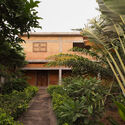

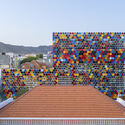
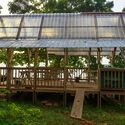
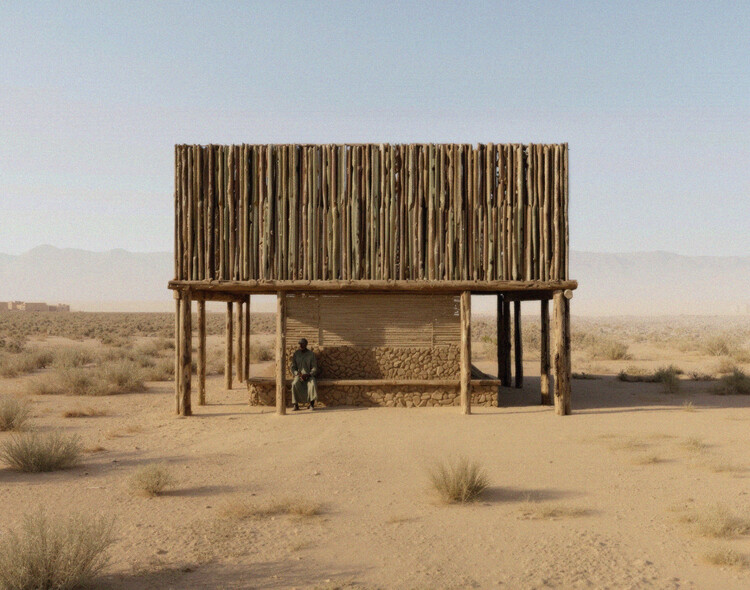
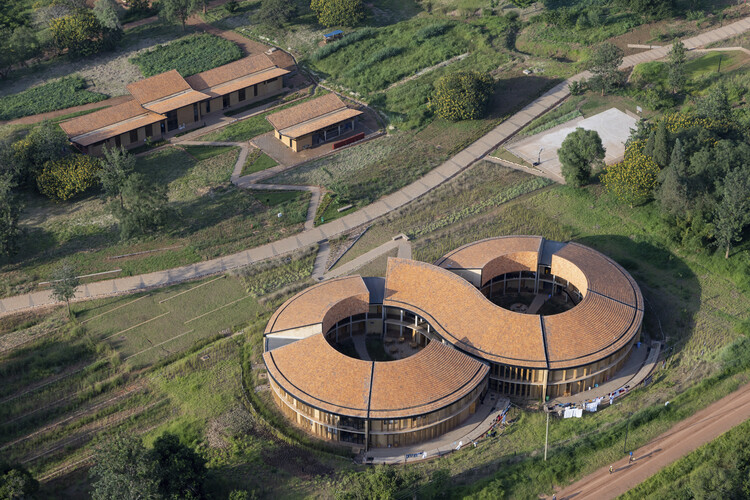
Founded and directed by Omar Degan, the Biennale is envisioned as a long-term platform that will rotate between African cities every two years. The inaugural edition is organized under the curatorial theme Shifting the Center: From Fragility to Resilience, framing Africa not as a peripheral reference within global architectural discourse, but as a central contributor to contemporary spatial knowledge and future-oriented design practices.
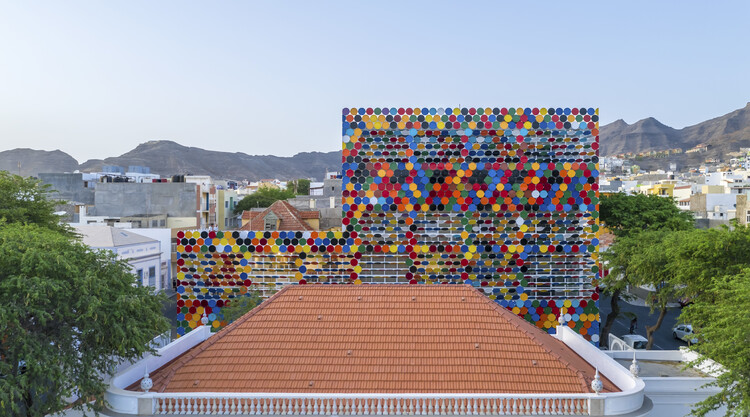
Founded and directed by Omar Degan, the Biennale is envisioned as a long-term platform that will rotate between African cities every two years. The inaugural edition is organized under the curatorial theme Shifting the Center: From Fragility to Resilience, framing Africa not as a peripheral reference within global architectural discourse, but as a central contributor to contemporary spatial knowledge and future-oriented design practices.
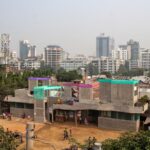
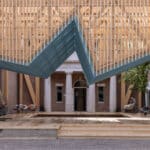
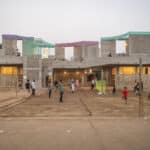
The official selection reflects a wide geographic and disciplinary range, bringing together practices working across architecture, urbanism, material research, conservation, and community-based design. Among the confirmed participants are Djamel Klouche from Algeria, Banga Coletivo from Angola, and the Benin-based team of Larry Tchogninou, Olufemi Hinson Yovo, and Armel Sagbohan. Other selected practices include Moralo Designs, Association La Voûte Nubienne, Remesha Design Lab, Ramos Castellano Arquitectos, and Barla Barla Architectes, alongside Archi Infini & Partenaires and Afrostudio.
The selection also includes practitioners and collectives engaged with heritage preservation, vernacular construction, and environmental research, such as Megawra – BEC, Hive Earth, Raas Architects, MASS Design Group, and Design Without Borders. Participants including Nu Goteh, Aboubakar Fofana, Daar Studio, and Lemon Pebble further expand the Biennale’s interdisciplinary scope, which spans architecture, design, craft, and spatial storytelling. Across the continent, the Biennale brings together voices from established and emerging practices alike, including contributors from Comoros, Djibouti, Equatorial Guinea, Eritrea, Eswatini, Gabon, Gambia, Guinea, Guinea-Bissau, Ivory Coast, Lesotho, Libya, Madagascar, Malawi, Mauritania, Mauritius, Morocco, Namibia, Nigeria, Senegal, Seychelles, South Sudan, Sudan, São Tomé and Príncipe, Togo, Tunisia, Zambia, and Zimbabwe. According to the organizers, the selection aims to foreground practices rooted in local realities while engaging broader questions surrounding climate, urbanization, material cultures, and future spatial imaginaries.
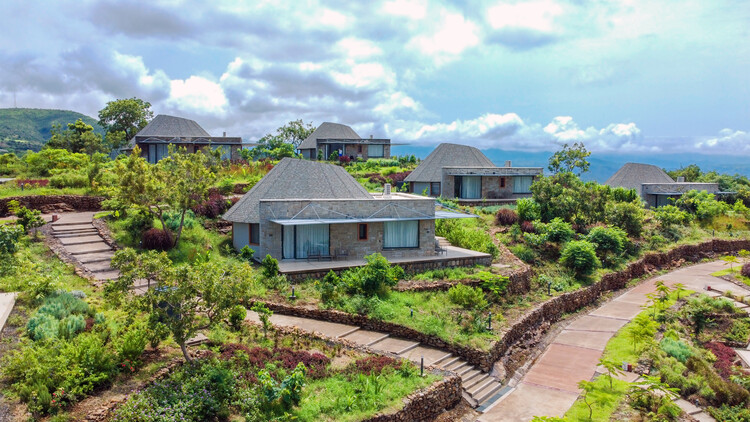
The Pan-African Biennale does not seek to correct exclusion from within existing frameworks. It establishes a new one, one in which Africa is the author of its own spatial knowledge, its own architectural discourse, its own futures. For the first time in history, spatial practices from across the continent convene under a single curatorial framework built from within. The center has always been here. – Omar Degan, Founder and Artistic Director of the Pan-African Biennale
팬-아프리칸 비엔날레는 기존 프레임워크 안에서의 배제를 교정하려 하지 않는다. 그것은 새롭게 구축된 하나의 프레임워크로, 아프리카가 자체의 공간지식과 건축 담론, 그리고 미래를 주도하는 주체가 되는 구조다. 역사상 처음으로 대륙 전역의 공간 실천이 내부에서 구축된 단일 큐레이션 프레임워크 아래 모인다. 중심은 항상 여기 있었다. – 오마르 데간, 팬-아프리칸 비엔날레 설립자 겸 예술감독
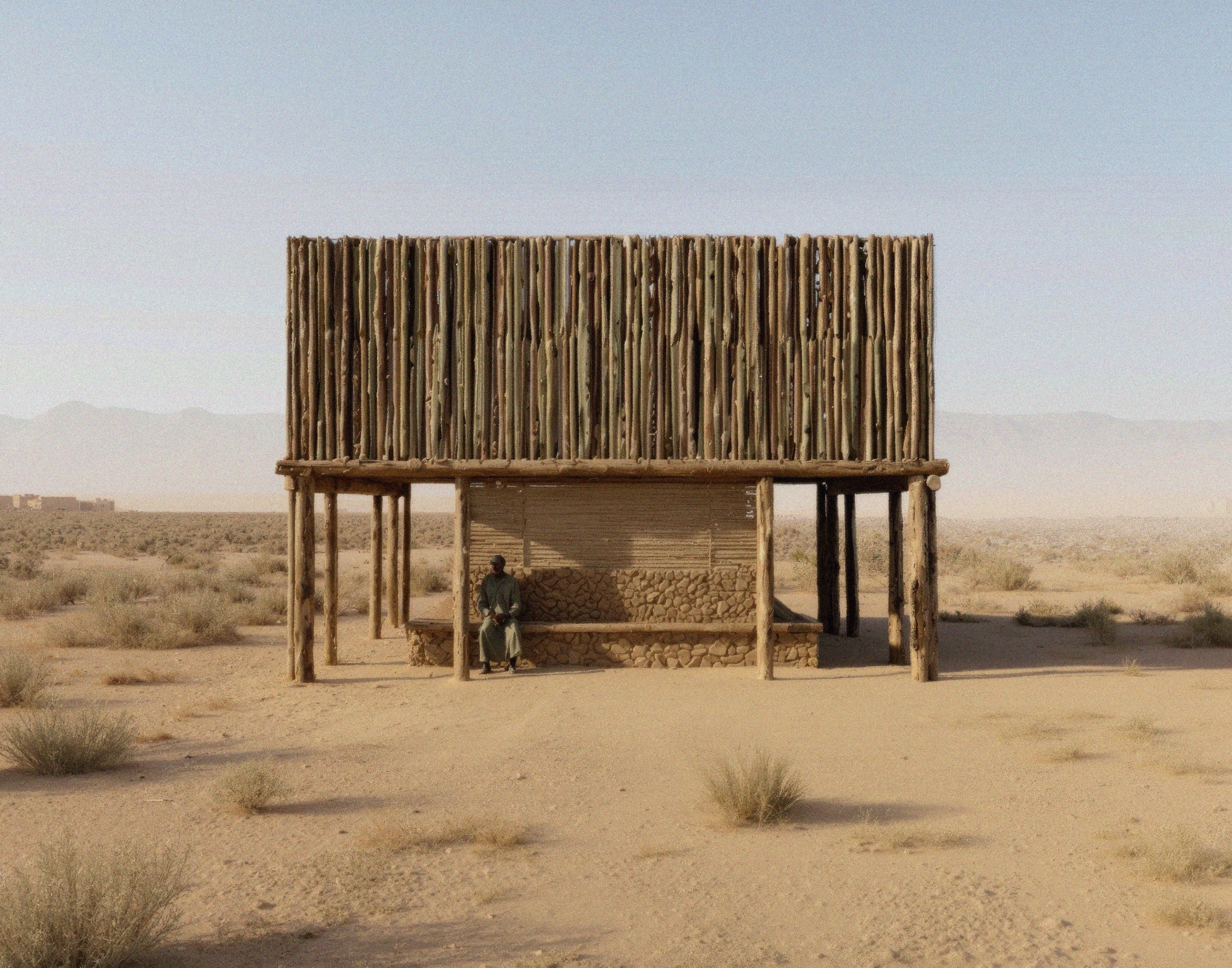
The Biennale’s curatorial framework is organized through three thematic strands: Land Under Pressure (Climate Change), Inherited Knowledge (Vernacular Intelligence), and Worlds to Come (African Futures). Rather than presenting a singular narrative, the exhibition proposes multiple perspectives emerging from African contexts, examining how architecture can respond to environmental transformation, inherited building knowledge, and evolving social conditions across the continent.
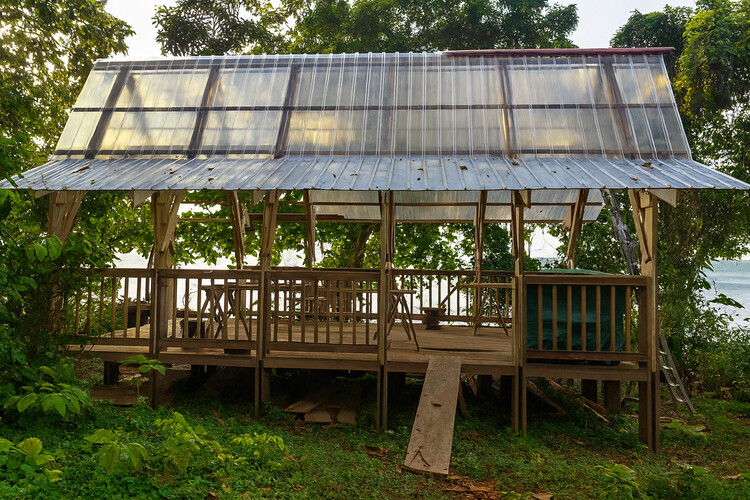
The Pan-African Biennale is registered in Kigali and operates as an independent institution dedicated to architecture, the built environment, and spatial practice in Africa. Conceived as a long-term platform beyond the exhibition format, the initiative combines exhibitions, publications, public programming, and archival production, with Nairobi marking the first edition of what is intended to become a recurring continental event.
관련 소식으로, 세계도시포럼(World Urban Forum) 13차 총회 제13회가 5월 22일 바쿠에서 6일간의 논의·전시·국제 교류를 마친 뒤 마무리되었습니다. 주제는 세계의 주거: 안전하고 회복력 있는 도시와 공동체였습니다. 다가오는 건축 행사들은 이러한 도시의 미래, 기후 회복력, 그리고 설계 실천의 진화하는 역할에 대한 대화를 이어갈 것으로 보입니다. 2026년 6월 28일~7월 2일 바르셀로나에서 열리는 UIA 세계 건축대회 2026 및 2026년 9월 9일~11월 30일에 열리는 Stuudio TÄNA가 큐레이션하고 Mark Aleksander Fischer 및 Mira Samonig과 함께하는 탈린 건축 비엔날레 2026 등도 이 흐름을 이어갈 예정입니다.